The first hard freeze can arrive before homeowners have finished their fall maintenance. When temperatures drop, exposed pipes, outdoor faucets, basement plumbing, and water lines in unheated spaces become vulnerable to freezing.
A frozen pipe can restrict water flow and eventually burst, causing water damage that may go unnoticed until the ice begins to thaw.
For Long Island homeowners, the best time to winterize plumbing is during the fall, before freezing temperatures become frequent. Preparing early leaves time to identify vulnerable pipes, address existing leaks, and arrange necessary repairs before winter weather creates an emergency.
When Is the Right Time to Winterize Plumbing?
October and November are practical months to begin winter plumbing preparations across Long Island. The exact timing depends on local weather conditions, the home’s layout, and whether any plumbing is exposed to outdoor temperatures.
Homeowners shouldn’t wait for the first freeze warning to start checking their systems. Cold snaps can arrive suddenly, and pipes in unheated areas may become vulnerable even when the main living spaces remain comfortable.
A second review is worthwhile before an extended cold spell. Check outdoor connections, basement areas, crawl spaces, garages, and other locations where cold air can reach plumbing.
1. Disconnect and Protect Outdoor Faucets
Garden hoses should be disconnected from outdoor faucets before freezing weather arrives. Water trapped in a connected hose or faucet assembly can freeze and contribute to damage inside the pipe.
Close any dedicated indoor shutoff valve serving an outdoor faucet, when available, and follow the manufacturer’s instructions for draining the line. Outdoor faucets designed to resist freezing still need proper installation and maintenance to function as intended.
Sprinkler systems and other exterior water lines may also require seasonal draining or professional winterization, depending on their design.
2. Check Pipes in Unheated Areas
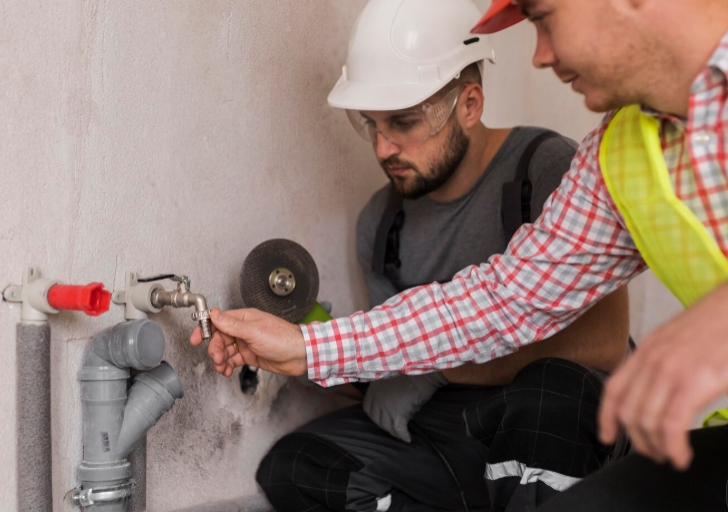
Pipes running through garages, crawl spaces, basements, attics, and exterior walls deserve particular attention. These areas can become much colder than the rest of the home, especially when insulation is inadequate or drafts allow cold air inside.
Look for missing or damaged pipe insulation and seal gaps around openings where cold air enters. Insulating exposed pipes can reduce heat loss, but insulation alone may not protect plumbing during prolonged extreme cold.
Keep garage doors closed when water lines run through the space, and maintain adequate heat in areas where plumbing could freeze.
3. Prepare the Basement and Sump Pump Area
Basements often contain water supply lines, drains, water heaters, and pumps that need attention before winter. Check visible pipes for corrosion, leaks, or damaged insulation. Make sure the area around plumbing equipment remains accessible for inspection and repairs.
Homeowners with sump pumps should also confirm that the equipment operates properly and that the discharge line is not obstructed. Freezing conditions can interfere with water discharge, potentially affecting the pump’s ability to move water away from the foundation.
4. Know What to Do During Extreme Cold
When temperatures fall sharply, open cabinet doors beneath kitchen and bathroom sinks if plumbing runs along exterior walls. This allows warmer indoor air to reach the pipes. Keep the home’s heating system operating at a consistent temperature, including when you’re away.
During severe cold, a small, steady trickle from a faucet may help reduce freezing risk in particularly vulnerable plumbing. However, this isn’t a substitute for insulation, adequate heating, or professional assessment of recurring problems.
Never use an open flame to thaw a frozen pipe. When a pipe freezes or water flow suddenly stops, contact a qualified plumber for safe evaluation.
5. Winterize Vacant Homes and Seasonal Properties
An empty house can be especially vulnerable because nobody may notice a drop in temperature, a failed heating system, or an early leak. Before leaving a property vacant during winter, decide whether the home will remain heated or whether the plumbing system needs to be drained and shut down.
Draining a home’s plumbing requires more than turning off the main water supply. Water can remain in pipes, fixtures, appliances, and other equipment. A plumber can determine the appropriate steps for the specific property.
Schedule Winter Plumbing Maintenance Before the Freeze
Fall is the time to address slow drains, leaking pipes, unreliable water heaters, and other existing concerns rather than carrying them into the coldest months. J&B Drain Cleaning and Plumbing Service provides plumbing repairs, water heater services, drain cleaning, and emergency plumbing throughout Long Island.
Talk to an expert before freezing weather arrives to address plumbing concerns and prepare your home’s water systems for winter. Early maintenance can help reduce the risk of frozen pipes, unexpected leaks, and disruptive emergency repairs.