Holiday travel involves plenty of preparation, from packing bags to arranging transportation and securing your home.
However, one important task homeowners sometimes overlook is checking their plumbing before leaving. An unnoticed leak, dripping faucet, or vulnerable pipe can cause significant water damage while nobody is home to address it.
Taking a few plumbing precautions before your trip can help reduce the risk of unexpected problems and give you greater peace of mind while you’re away. Before heading out for the holidays, follow these six steps to prepare your plumbing system.
1. Check for Existing Leaks Around Your Home
Start by inspecting visible plumbing connections, pipes, and fixtures throughout your home. Look beneath kitchen and bathroom sinks, around toilets, near water heaters, and wherever exposed pipes are accessible.
Pay attention to:
- Water stains on walls, ceilings, or cabinets
- Damp spots beneath sinks or around plumbing connections
- Dripping pipes or loose fittings
- Unusual puddles near appliances that use water
- Signs of corrosion around exposed pipe joints
Even a minor leak can become a bigger problem when left unattended for several days. A slow drip may continue throughout your trip, damaging cabinets, flooring, or nearby materials. If you notice an active leak or suspect a damaged pipe, arrange plumbing repairs before leaving rather than assuming the problem can wait until you return.
2. Inspect Faucets, Toilets, and Other Fixtures
A dripping faucet might seem harmless, but it can waste water continuously while you’re away. Check kitchen and bathroom faucets, showerheads, and outdoor hose connections for leaks.
Toilets also deserve attention. A faulty flapper or fill valve can cause water to run inside the tank even when nobody is using it. Listen for occasional refilling sounds and check whether water continues flowing into the toilet bowl.
Make sure all fixtures shut off properly and address any running toilets before travelling. These simple checks can prevent unnecessary water waste and help you avoid returning to an unexpectedly high water bill.
3. Protect Vulnerable Pipes From Freezing Temperatures
If you’re travelling during colder months, protecting exposed pipes should be part of your holiday plumbing preparations. Pipes in unheated areas, including basements, crawl spaces, garages, and exterior walls, may be particularly vulnerable to freezing.
When water freezes inside a pipe, it expands and increases pressure. This can cause the pipe to crack or burst, potentially releasing a large amount of water once temperatures rise.
Before leaving:
- Insulate exposed pipes in colder areas.
- Seal drafts around openings where cold air can enter.
- Keep your home’s heating system operating at a suitable temperature.
- Check that vulnerable areas receive adequate warmth.
- Disconnect and drain outdoor garden hoses where appropriate.
Don’t turn your heating system off completely during winter travel. Maintaining indoor temperatures can help protect your plumbing and reduce the likelihood of frozen pipes.
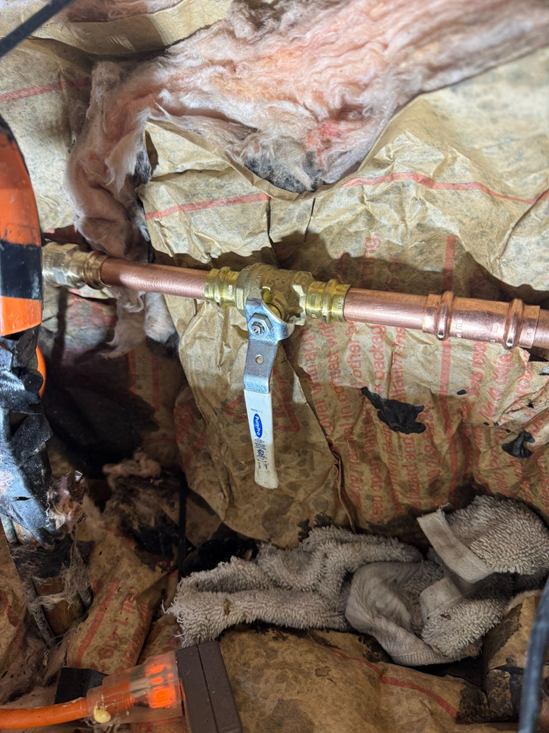
4. Know Where Your Main Water Shut-Off Valve Is Located
One of the most useful plumbing precautions is knowing exactly where to shut off your home’s main water supply. If a pipe bursts or a major leak develops while you’re away, turning off the water can help limit the amount of damage.
The main shut-off valve is commonly located near the point where the water supply enters the house, often in a basement, utility area, or near the water meter. However, its exact position varies between properties.
Before your trip, locate the valve and make sure you can operate it. If you’re unfamiliar with how it works, ask a plumber to show you. It’s also helpful to make sure other household members know its location in case an emergency occurs before or during your absence.
For longer trips, shutting off the main water supply may be worth considering, provided your plumbing system and any connected equipment can safely accommodate it.
5. Check Appliances and Water Supply Connections
Washing machines, dishwashers, refrigerators with water dispensers, and other water-connected appliances can develop leaks through damaged hoses or loose connections.
Before leaving, check the supply lines behind these appliances for signs of wear, moisture, or corrosion. Make sure appliances aren’t running unattended and avoid leaving a dishwasher or washing machine cycle unfinished when you head out.
If an appliance has a damaged connection or a leaking hose, arrange the necessary repair or replacement before travelling. You can also shut off individual appliance supply valves when appropriate.
6. Arrange a Plumbing Inspection Before a Longer Trip
If you’re planning to be away for an extended period, a professional plumbing inspection can help identify problems you might miss during a quick walkthrough.
A plumber can examine accessible pipes, inspect fixtures, check water connections, and investigate signs of hidden leaks. This is particularly useful if you’ve noticed fluctuating water pressure, unexplained increases in water usage, recurring drips, or unusual plumbing noises.
Addressing these concerns before leaving can help reduce the chance of returning to damaged walls, wet flooring, or an unexpected plumbing emergency.
Get Your Plumbing Ready for Holiday Travel
A little preparation can make a significant difference when you’re leaving your home unattended. Checking for leaks, inspecting fixtures, protecting exposed pipes, and locating your main shut-off valve are practical steps that can help prevent avoidable plumbing problems.
If your home needs attention before your holiday getaway, J&B Drain Cleaning and Plumbing Service can help with plumbing inspections, leak concerns, damaged pipes, and necessary repairs. Don’t leave an existing plumbing issue unattended while you’re away.
Call us to schedule plumbing service before your trip. We serve homeowners in Farmingville, Coram, Selden, Ronkonkoma, and Patchogue, helping them address plumbing concerns and prepare their homes with greater confidence.