A burst pipe can turn into a major water-damage problem within minutes, especially when it happens overnight and professional help isn’t immediately inside the home. The priority is to stop or reduce the water flow, protect people from electrical hazards, move belongings away from the affected area, and contact an emergency plumber as soon as possible.
Knowing what to do before the plumber arrives can help limit the damage while keeping everyone in the home safer.
Shut Off the Main Water Supply
The first step is to stop the water entering the plumbing system.
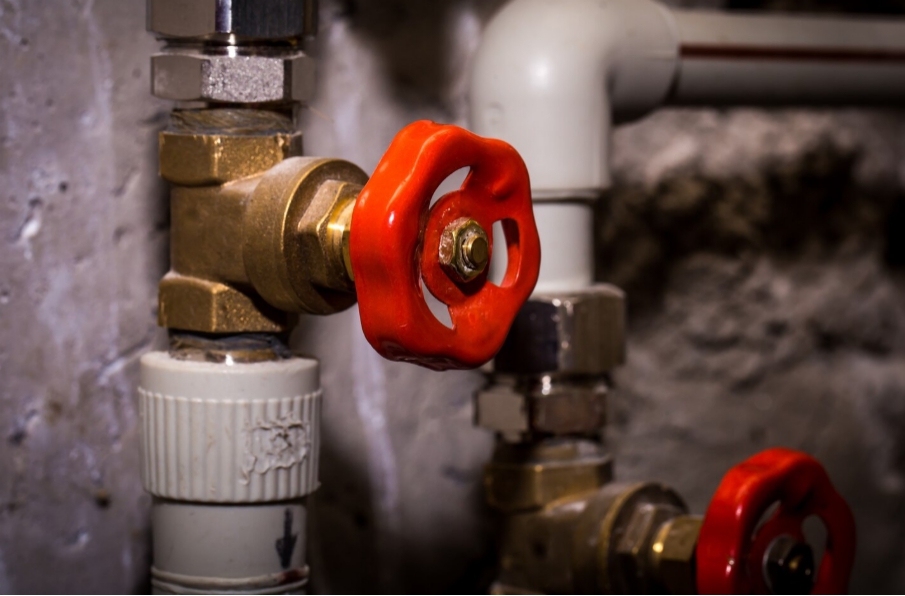
Find your home’s main water shutoff valve and turn it off. Depending on the property, the valve may be located near where the main water line enters the house, in a basement, utility area, garage, or another accessible location.
If you know which fixture’s supply line has failed and there is an accessible individual shutoff valve, you may be able to isolate that fixture. However, a major pipe break can require shutting off the home’s main water supply.
Don’t spend excessive time searching if water is rapidly spreading. If you cannot locate or operate the valve, tell the emergency plumber when you call.
Open a Faucet Carefully
Once the main water supply has been shut off, opening a faucet may help release pressure remaining in the plumbing system. Use a fixture away from the burst section if possible.
This won’t repair the damaged pipe or stop water that has already escaped, but relieving residual pressure can help reduce continued flow from the break.
If you’re unsure whether the main supply is actually off, don’t keep opening fixtures throughout the house. Confirm that the water has stopped entering the system first.
Stay Away From Electrical Hazards
Water and electricity can create a dangerous combination.
If water has reached electrical outlets, appliances, power strips, wiring, or electrical panels, don’t step into standing water to reach them. Don’t handle electrical equipment while you’re wet or while standing in water.
If it can be done safely without entering a wet area, shut off power to the affected section. Otherwise, leave the electrical system alone and contact an electrician or emergency professional if necessary.
Your safety is more important than trying to save flooring or belongings.
Contain the Water Without Putting Yourself at Risk
Once the water supply has been addressed and the area is safe to enter, use towels, buckets, mops, or other available materials to control smaller amounts of water.
For a significant amount of standing water, don’t attempt to remove it if doing so would expose you to electrical hazards, contaminated water, unstable surfaces, or other risks.
Move furniture, boxes, electronics, rugs, and other belongings away from the affected area when you can do so safely. Wooden furniture and other porous materials can absorb water quickly.
Call an Emergency Plumber
A burst pipe requires more than simply drying the floor. The damaged section needs to be located and repaired, and the plumber may need to determine why the failure occurred.
When calling for emergency plumbing service, explain where the pipe burst, whether the main water supply has been shut off, how much water has escaped, and whether the water is still flowing.
This information can help the plumber understand the situation before arriving.
J&B Drain Cleaning and Plumbing Service provides 24-hour emergency plumbing service for homeowners throughout Long Island.
Don’t Try to Patch a Pressurized Pipe
A temporary patch may seem tempting when a pipe fails in the middle of the night. However, makeshift repairs can fail under pressure and may make the situation harder to manage.
Tape, towels, sealants, or household adhesives aren’t substitutes for proper pipe repair. If the water supply cannot be safely isolated, wait for professional assistance rather than attempting a complicated repair yourself.
Find the Source If You Can Do So Safely
Not every water leak is immediately obvious. Water can travel through walls, ceilings, flooring, and other building materials before becoming visible.
If you can safely inspect the area, look for obvious signs such as spraying water, pooling, wet drywall, ceiling stains, or water around exposed plumbing.
Don’t cut into walls or ceilings simply to find a hidden leak. The plumber can determine whether the damaged section is accessible and what needs to be opened for the repair.
| What Can Cause a Pipe to Burst? Several conditions can contribute to pipe failure. Freezing temperatures can cause water inside pipes to expand and create extreme pressure. Aging plumbing may become weakened by corrosion or deterioration. High water pressure, damaged connections, and physical damage can also contribute to leaks or pipe failures. Finding the reason for the failure can help determine whether other sections of the plumbing system should be inspected. |
When the Immediate Emergency Is Under Control
Once the damaged pipe has been repaired, don’t assume the entire plumbing system is unaffected. If the property has older plumbing, repeated leaks, unusual water pressure, or other concerns, a broader inspection may be worthwhile.
A single failure can sometimes draw attention to aging or deteriorating plumbing that has been developing problems for some time.
Keep This Order in Mind
During a nighttime plumbing emergency, remember the priorities:
Stop the water → avoid electrical hazards → protect belongings → call for professional help → begin cleanup only when the area is safe.
J&B Drain Cleaning and Plumbing Service is available round the clock for emergency plumbing needs throughout Long Island. If a burst pipe is flooding your home, call our plumbers promptly so the water supply and damages can be addressed before the situation causes more extensive damage.