A house can look move-in ready while hiding plumbing problems behind walls, beneath floors, or underground. Fresh paint and updated fixtures may improve appearances, but they don’t reveal the condition of the pipes, sewer line, or water heater.
Before finalizing a purchase, buyers should look beyond the visible finishes and find out whether the plumbing system needs repairs or closer inspection.
Checking potential plumbing issues before closing can help you understand the property’s condition, plan future maintenance, and identify concerns that may affect your decision to buy.
1. Look for Signs of Hidden Leaks
Leaks aren’t always obvious. Check beneath kitchen and bathroom sinks, around toilets, near washing machine connections, and along visible water supply lines. Damp cabinets, warped flooring, peeling paint, water stains, and musty odors can indicate ongoing or previous moisture problems.
Pay attention to the ceilings below upstairs bathrooms and laundry areas, too. Stains or soft spots may suggest a leak from a fixture or pipe above.
Ask about any signs of previous water damage and whether the underlying cause was repaired. A new coat of paint doesn’t confirm that a plumbing problem has been resolved.
2. Find Out What Condition the Pipes Are In
The age of a home can provide clues about its plumbing, but the actual pipe materials and condition matter more than the construction date alone. Older properties may have aging, corroded, or deteriorating pipes that restrict water flow or increase the risk of leaks.
Ask the seller or inspector about the type of piping installed, whether sections have been replaced, and whether any known plumbing repairs are outstanding.
Discolored water, recurring leaks, visible corrosion, and unexplained changes in water pressure deserve further investigation. A qualified plumber can assess accessible piping and recommend additional evaluation when necessary.
3. Test Water Pressure and Drainage
Turn on faucets in different parts of the house and test showers, flush toilets, and run water through sinks. Notice whether the pressure changes significantly when multiple fixtures operate.
Slow drains can indicate localized clogs, buildup, or problems farther along the drainage system. Several fixtures draining slowly at the same time may point to a larger issue involving the main drain or sewer line.
Listen for persistent gurgling and watch for water backing up into another fixture. These symptoms warrant further investigation rather than assumptions that a simple cleaning will solve the problem.
4. Investigate the Sewer Line
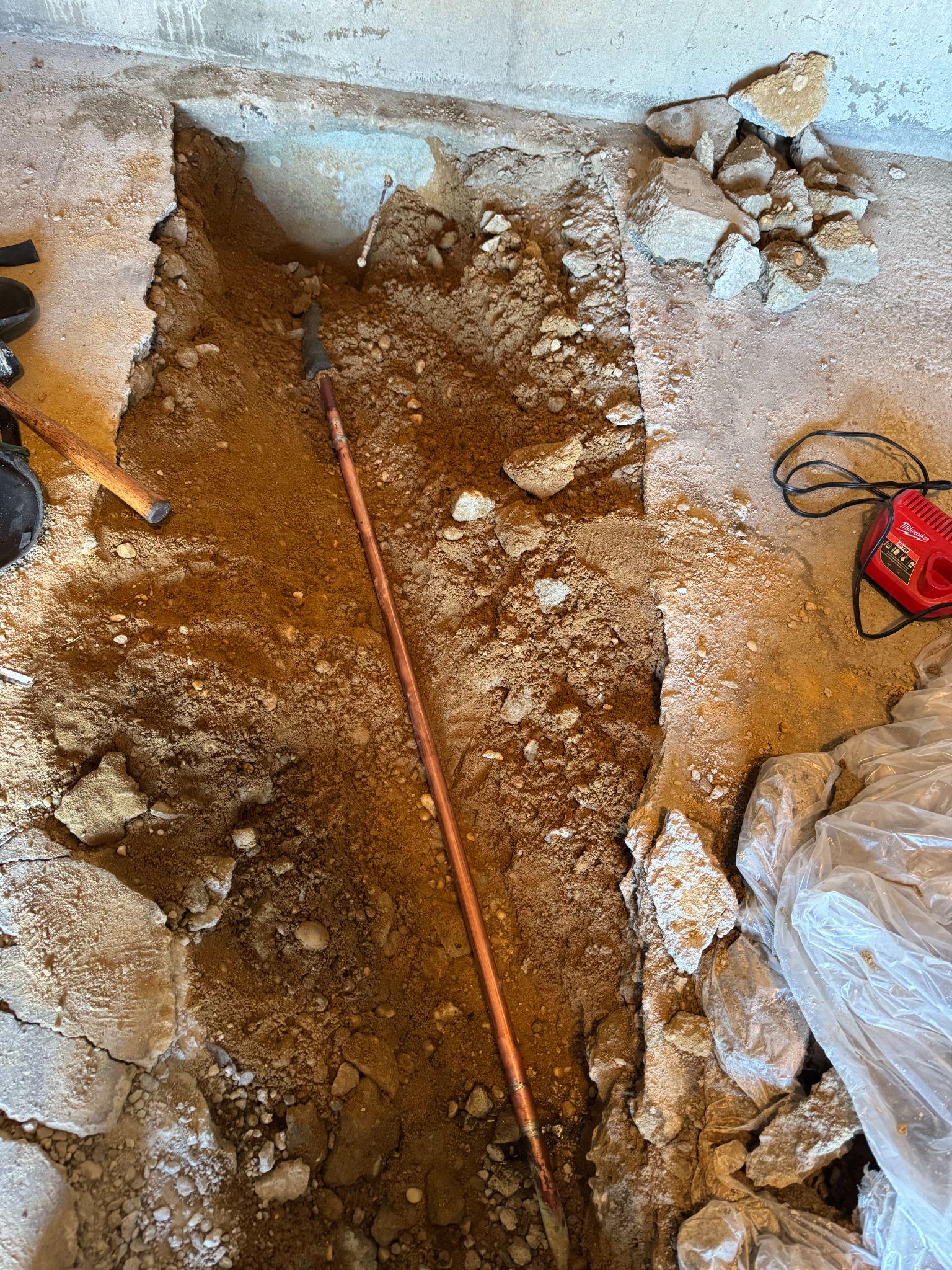
The main sewer line is an important part of a home’s plumbing system, yet much of it is hidden underground. Root intrusion, cracked pipes, deteriorated joints, and accumulated debris can lead to recurring blockages or sewage backups.
A standard home inspection may not include a detailed sewer line examination. For older properties or homes with large trees, previous backups, or unexplained drainage problems, consider asking whether a separate sewer camera inspection is appropriate.
Identifying damage before closing can help you understand potential repair costs and discuss the findings with the seller.
5. Examine the Water Heater
Check the water heater for visible leaks, corrosion, unusual noises, and signs of poor maintenance. Ask how old the unit is and whether it has required recent repairs.
During the inspection, verify that the system provides hot water and ask the inspector to assess its visible condition. The expected service life depends on the unit type, maintenance history, and operating conditions, so age alone doesn’t determine whether replacement is necessary.
6. Review Findings Before Closing
A plumbing inspection can reveal concerns that deserve attention before ownership changes hands. Request clarification about significant findings, obtain repair estimates when necessary, and keep written records of any agreed-upon work.
J&B Drain Cleaning and Plumbing Service provides drain cleaning, sewer cleaning, camera inspections, water heater services, and plumbing repairs for residential properties throughout Long Island.
Call the experts when you need help evaluating a suspected plumbing problem or addressing a drainage concern. Identifying potential repairs before closing can help you make a more informed purchase and prepare for the property’s ongoing maintenance needs.