Most plumbing problems don’t begin with a dramatic burst pipe or a flooded basement. Instead, they often start with a single section of pipe that’s slowly deteriorating behind a wall, beneath a floor, or underground.
One damaged pipe can affect water pressure, drainage, and the performance of connected plumbing throughout your home, making early diagnosis essential before a localized issue turns into a larger system failure. In many cases, identifying the issue early and determining whether a repair or pipe replacement is the better solution can help prevent repeated plumbing failures and unnecessary repair costs.
Why One Damaged Pipe Affects More Than One FixtureYour home’s plumbing system functions like a network rather than a collection of separate pipes. Water travels through interconnected supply lines before reaching sinks, showers, appliances, and outdoor fixtures, while wastewater flows through a shared drainage system.
When one section of that network begins to fail, the effects often spread beyond the original location. A pipe that’s partially blocked, leaking, or deteriorating changes how water moves through the rest of the system, which is why problems sometimes appear in rooms far from the damaged pipe itself.
Pressure Changes Don’t Always Happen OvernightA damaged pipe rarely causes an immediate loss of water pressure throughout the house. More often, the change is gradual.
Corrosion, mineral deposits, or internal pipe deterioration slowly reduce the available space for water to travel. As that passage narrows, nearby fixtures may begin delivering weaker flow, showers may lose pressure when another faucet is running, or appliances can take longer to fill.
Because these changes happen over months or even years, homeowners often assume they’re simply part of an aging home instead of recognizing them as warning signs.
A Small Leak Can Create Expensive ConsequencesEven a slow leak inside a wall or beneath a floor can have lasting effects if it isn’t repaired promptly.
Beyond wasting water, hidden leaks may:
- Damage drywall and flooring
- Soak insulation
- Encourage mold growth
- Weaken wooden framing
- Increase monthly utility bills
The plumbing repair itself may remain relatively small, but the longer moisture spreads unnoticed, the more extensive the property repairs become.
Drainage Problems Can Spread Through the SystemThe same principle applies to drain pipes.
If one section of a shared drain line becomes damaged or restricted, wastewater has fewer pathways to move efficiently. That’s why homeowners sometimes notice slow bathroom sinks, gurgling toilets, and sluggish showers around the same time.
Rather than several unrelated problems, these symptoms often point to one developing issue within the drainage system.
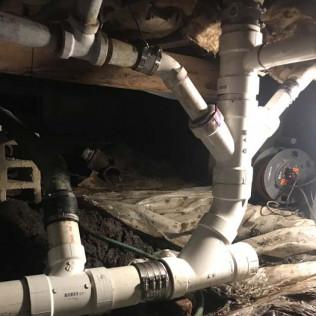
Repair Isn’t Always the Best Long-Term InvestmentNot every damaged pipe needs to be replaced. If the problem is isolated and the surrounding plumbing is in good condition, repairing the affected section is often the most practical solution.
However, repeated leaks in different areas, extensive corrosion, or aging plumbing materials may indicate that the system is reaching the end of its service life.
Instead of paying for one repair after another, homeowners may benefit from discussing pipe replacement with a professional plumber. Replacing deteriorated sections proactively can improve system reliability while reducing the likelihood of future emergencies.
A Professional Inspection Tells the Full StoryVisible plumbing symptoms only reveal part of what’s happening inside your system.
Professional plumbers evaluate the condition of pipes, identify hidden leaks, assess water pressure, and determine whether a problem is isolated or part of broader deterioration. This comprehensive approach helps homeowners avoid unnecessary repairs while planning improvements based on the actual condition of their plumbing.
Making decisions based on a complete inspection is far more effective than reacting to one leak at a time.
Frequently Asked Questions
Can one leaking pipe reduce water pressure throughout the house?
Yes. Depending on its location, a damaged pipe can reduce water pressure in multiple fixtures or affect how efficiently water moves through the plumbing system.
How do I know if my plumbing problem is isolated?
Recurring leaks, multiple plumbing issues appearing at once, or steadily declining water pressure often indicate that a larger section of the system should be inspected.
Is pipe replacement always necessary?
No. Many isolated pipe problems can be repaired successfully. Pipe replacement is generally recommended when deterioration is widespread or repairs become frequent.
Can old pipes affect water quality?
Yes. Corrosion and aging plumbing materials may contribute to discolored water, sediment, or reduced flow, making a professional inspection worthwhile.
Schedule a Plumbing Inspection Before Problems Spread
One damaged pipe doesn’t always require replacing your entire plumbing system but ignoring it can allow minor issues to become major repairs. If you’ve noticed recurring leaks, declining water pressure, or signs of aging pipes, schedule a professional plumbing inspection with our experts. We’ll identify the source of the problem and help you determine whether a targeted repair or pipe replacement is the best long-term solution for your home.