Holiday dining can put a restaurant’s plumbing under pressure long before the kitchen closes. More reservations mean additional food preparation, heavier dishwashing loads, frequent restroom use, and less downtime between service periods.
When drains are already struggling with grease or food debris, the extra activity can turn a minor blockage into a disruptive backup during the busiest part of the season.
Planning restaurant drain maintenance before holiday traffic increases gives owners and kitchen managers time to identify developing problems, arrange cleaning, and keep wastewater moving through the system.
1. Address Slow Drains Before Service Gets Busier
A kitchen sink that drains slowly may seem manageable during an ordinary shift, but delays become more disruptive when several employees need to use the same sink during a rush. Water pooling in a prep sink, a floor drain that empties slowly, or a restroom sink that repeatedly clogs can signal buildup inside the line.
Staff should report recurring drainage problems instead of relying on temporary workarounds. A slow drain may result from grease, food particles, soap residue, or a blockage farther along the plumbing system.
Arrange a professional assessment when cleaning a fixture doesn’t resolve the problem or when the same drain repeatedly slows down. Addressing the cause before holiday service intensifies can help reduce the likelihood of an unexpected interruption.
2. Keep Grease Out of Drain Lines
Cooking oils, fats, and grease are common contributors to commercial kitchen drain problems. Hot grease may flow through a pipe initially, then cool and cling to its interior surfaces. Over time, this residue can trap food particles and contribute to a stubborn blockage.
Kitchen staff should collect used cooking oil and grease in designated containers rather than pouring it into sinks. Scraping plates and cookware into appropriate waste containers before washing can also reduce the amount of food debris entering the plumbing system.
Restaurants that use grease traps or grease interceptors should follow applicable cleaning schedules and local requirements. These devices need proper maintenance to function effectively. A full or poorly maintained interceptor can contribute to drainage issues and unpleasant odors.
3. Inspect Floor Drains and High-Use Fixtures
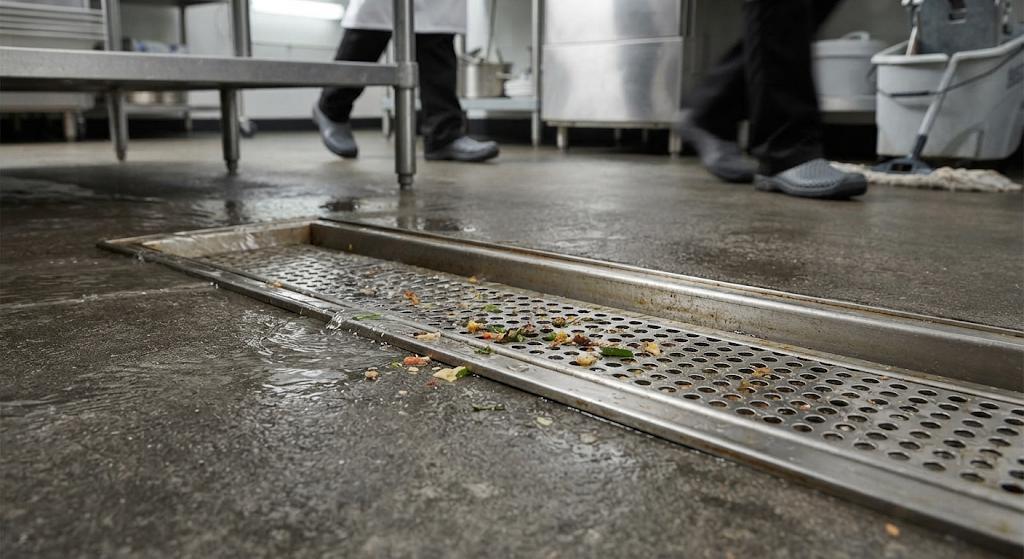
Floor drains in kitchens, dishwashing areas, and food preparation spaces help manage water from routine cleaning and spills. Before the holiday rush, check whether these drains accept water properly and whether any persistent odors, standing water, or recurring blockages are present.
Restroom fixtures also deserve attention. Increased customer traffic can put additional demand on toilets, sinks, and nearby drain lines. A restroom that already experiences slow drainage may become difficult to keep operational during a busy service period.
Remove accessible debris where appropriate, but avoid pushing obstructions deeper into the plumbing. Repeated problems or water backing up through a floor drain require further investigation.
4. Schedule Professional Drain Cleaning at the Right Time
The best time to arrange service is before the restaurant reaches peak holiday demand. Scheduling ahead gives management more flexibility to coordinate maintenance around food preparation, deliveries, and operating hours.
Professional drain cleaning can remove accumulated material that routine surface cleaning won’t address. Depending on the condition of the line, a plumber may recommend mechanical cleaning or hydro jetting, which uses high-pressure water to remove suitable buildup from pipe interiors.
Hydro jetting isn’t appropriate for every pipe or blockage. A professional should assess the plumbing’s condition and select a method suited to the system.
Restaurants with recurring drain problems may also benefit from a camera inspection. This allows a plumber to examine the inside of a drain or sewer line and look for buildup, damage, or other obstructions that could contribute to repeated backups.
5. Train Employees on Daily Drain Practices
Preventive maintenance works best when kitchen routines support it. Make sure employees understand which materials should never enter sinks or floor drains, how grease should be collected, and whom to notify when drainage changes.
A short opening or closing checklist can help staff spot problems early. Include checks for standing water, unusual odors, slow-draining sinks, and signs of leakage around accessible plumbing connections.
Clear reporting procedures are particularly useful when shifts change frequently. Problems noticed by one team shouldn’t go unreported until the next busy service period.
Keep Holiday Service Running Smoothly
Restaurant drain maintenance is easier to plan before a blockage interferes with food preparation or customer service. Early cleaning, sensible kitchen practices, and prompt attention to warning signs can help restaurants manage increased seasonal demand.
J&B Drain Cleaning and Plumbing Service provides commercial drain cleaning, sewer cleaning, hydro jetting, and camera inspections for Long Island businesses.
Call now to schedule drain service, investigate recurring blockages, and prepare your restaurant’s plumbing for a demanding season.