The suitcases are packed, the thermostat is set, the refrigerator is stocked—or emptied—and the house is about to sit untouched for several days. Before you pull out of the driveway, there’s one part of the home that’s easy to forget: the plumbing.
A vacant house doesn’t give you the usual clues that something is wrong. Nobody hears a toilet running at 2 a.m., notices that the basement feels damp after a storm, or realizes that a faucet has developed a slow drip. During a holiday trip, freezing temperatures, heavy rain, and increased seasonal plumbing use can create their own set of concerns.
A few decisions before you leave can reduce those risks. Here’s what to check, what to shut off or leave running, and which plumbing problems are worth addressing before you head out.
What Should Be Done the Day Before You Leave?
Start with the plumbing problems you already know about.
That slow bathroom drain you’ve been meaning to address? The toilet that occasionally runs? The water heater that has started making a strange sound? These aren’t ideal conditions for leaving a property unattended.
Walk through the house with a different mindset: you’re not checking whether everything looks perfect; you’re looking for anything that could continue getting worse without someone there to notice.
Pay attention to:
- Damp areas beneath sinks
- Water around toilet bases
- Dripping faucets
- Slow or frequently clogged drains
- Moisture near the water heater
- Damaged washing machine hoses
- Unusual water heater noises
- Pipes exposed to cold air
- A sump pumpthat runs excessively or sounds different
A minor issue doesn’t automatically mean you’ll have an emergency while you’re gone. It does, however, give you a reason to decide whether it should be handled before departure.
The Main Water Shutoff Deserves Attention
Many homeowners know where the shutoff valve is in theory but haven’t actually checked whether they can reach it.
Before leaving, locate the main water shutoff and make sure nothing is blocking access. If you’re traveling with other household members, make sure they know where it is too. The same applies to anyone staying at or checking the property while you’re gone.
Why is this important?
Imagine a supply line fails on the second day of your trip. Water will continue entering the home’s plumbing system unless something stops it. The longer a leak continues, the greater the potential for damage to flooring, walls, cabinets, belongings, and other parts of the property.
For some homes and longer absences, shutting off the main water supply may be appropriate. It isn’t a universal step, though. The home’s heating system, water heater, appliances, fire protection equipment, and other systems need to be considered first.
When you’re uncertain whether your plumbing should be shut off while you’re away, get that question answered before the car leaves the driveway.
Winter Vacations Add Another Problem: Frozen Pipes
Holiday travel can sometimes mean leaving home during freezing weather.
A house that stays heated is generally less vulnerable than one that’s allowed to become extremely cold, but certain pipes can still be exposed to colder conditions than the rest of the home. Plumbing running through exterior walls, garages, crawl spaces, basements, or poorly insulated areas deserves particular attention.
Don’t simply rely on the thermostat reading inside the living area. Think about where the plumbing actually runs.
Before leaving:
- Keep the home’s heating system operating at an appropriate setting.
- Make sure doors and windows are properly closed.
- Check areas where pipes are exposed to cold air.
- Address known insulation or pipe-protection concerns.
- Have someone check the property if a prolonged freeze is expected.
A frozen pipe is particularly problematic in an empty house because nobody may notice reduced water flow, frost around exposed plumbing, or other warning signs.
Your Kitchen Has Its Own Holiday Risk
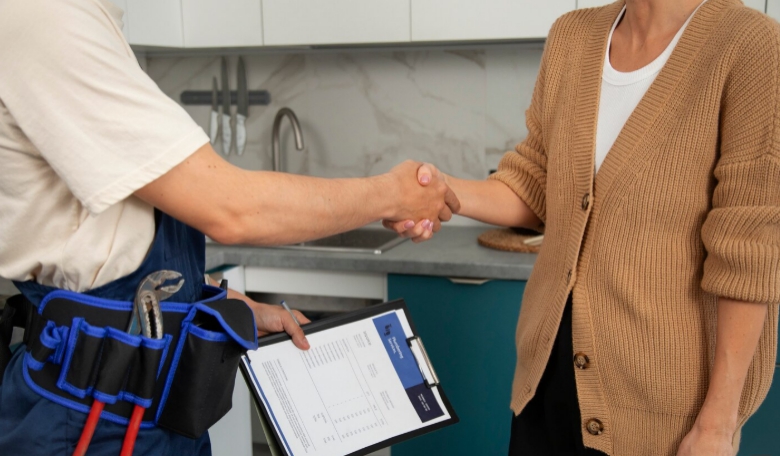
Holiday cooking creates a very specific plumbing problem: the kitchen drain gets asked to handle things it was never designed to process.
Grease and cooking oils can cool inside plumbing and contribute to restrictions. Food scraps, fibrous vegetables, coffee grounds, and other waste can also create problems when they repeatedly enter the drain.
You don’t need to deep-clean every pipe before leaving. Instead, deal with the habits that create unnecessary trouble.
Scrape food waste into the appropriate container. Keep grease and oil out of the drain. If the kitchen sink is already draining slowly, don’t assume several days without use will solve it.
And there’s another reason to pay attention to a recurring kitchen clog: the problem may involve more than the fixture itself. A blockage farther along the drain or sewer system can eventually affect multiple fixtures.
Don’t Forget the Water Heater
A vacant house still has a water heater sitting under pressure with its plumbing connections intact.
Before a holiday trip, look around the unit rather than simply assuming it’s fine because the water was hot yesterday. Check for visible moisture, corrosion, pooling water, or other changes that weren’t present previously.
If you’ve noticed:
- inconsistent water temperature,
- unusual banging or popping,
- a leaking tank or connection,
- reduced hot-water availability, or
- other changes in operation,
it’s worth investigating before leaving.
The right steps for an extended absence can vary according to the type of water heater and the home’s plumbing setup. Rather than making assumptions about turning equipment off or changing its settings, get specific instructions for your system.
A Sump Pump Doesn’t Know You’re on Vacation
For homes with sump pumps, holiday preparation shouldn’t stop at the plumbing inside the house.
The weather can bring periods of heavy rain, and groundwater entering a sump pit doesn’t wait for someone to come home. A pump that’s struggling, cycling unusually, making unfamiliar noises, or failing to discharge water properly can become a serious concern when the property is unattended.
Before leaving, make sure the pump is functioning and the discharge route is clear.
If the home has experienced previous basement water problems, think about what would happen if the pump stopped during a storm. Depending on the property, a backup pump or other protection may be worth discussing before an extended absence.
What About the Drains After Everyone Leaves?
It’s easy to assume that unused drains can’t cause problems. They can.
A recurring sewer restriction doesn’t disappear simply because nobody is flushing toilets or running sinks. Existing buildup, roots, damaged pipe sections, or other restrictions can remain in place and become apparent when the system is used again.
This is especially worth considering when you’ve already experienced repeated backups.
If one drain has been cleared several times or multiple fixtures have shown problems, don’t treat the last successful clearing as proof that the underlying issue is gone. A sewer camera inspection or professional cleaning may reveal what a basic drain treatment couldn’t.
Leave Someone With a Simple Emergency Plan
If you’re going away for several days, arrange for a trusted person to check the house when practical.
They don’t need to perform a plumbing inspection. A simple visit can reveal a surprising amount:
- Is there water where it shouldn’t be?
- Is the house maintaining heat?
- Does the basement look normal?
- Is the sump pump operating?
- Are there signs of a burst pipe or active leak?
Give that person access to the main water shutoff and explain what to do if they discover a problem.
For longer trips during winter, this can be especially valuable. A small plumbing problem discovered early is usually easier to manage than one that’s been developing unnoticed for a week.
A Five-Minute Departure Checklist
Before locking the door, take one final look at the plumbing system:
- Check visible pipes, fixtures, and connections for leaks
- Confirm the main water shutoff is accessible
- Keep the home’s heat at an appropriate setting during freezing weather
- Make sure vulnerable pipes aren’t exposed to unnecessary cold
- Remove grease and food waste from the kitchen drain routine
- Look around the water heater for leaks or unusual conditions
- Test or inspect the sump pump if your home has one
- Address recurring drain or sewer problems before departure
- Give a trusted contact access and emergency instructions
- Consider professional service for known plumbing issues rather than leaving them unresolved
Come Home to the Same House You Left
Holiday preparation isn’t about predicting every plumbing failure. It’s about eliminating the problems you already know exist and reducing the consequences of the ones you can’t predict.
A slow drain, unreliable water heater, vulnerable pipe, or questionable sump pump deserves more attention when nobody will be home to catch the warning signs. Taking care of those concerns before departure can make the difference between a normal return and an emergency cleanup.
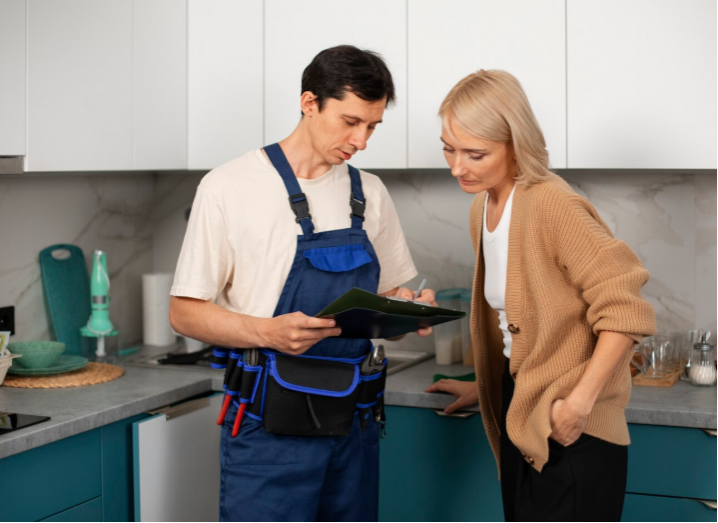
J&B Drain Cleaning and Plumbing Service provides plumbing, drain and sewer cleaning, water heater services, sump pump replacement, sewage pump services, and emergency plumbing for homes and offices. If a plumbing issue needs attention before your holiday trip, call our experts before you leave rather than leaving the problem behind to worsen while the house is empty.