
Addressing a home water emergency situation demands one action above all others: find the main valve where the service enters the building, on the street side of the meter, and turn it clockwise until it stops. On a working valve, the whole house is dry in under a minute.
The problem is that most people look for it for the first time while standing in water. Ten minutes on a quiet Saturday finding and testing it is the single most useful thing a homeowner can do, and it costs nothing. When it does go wrong, an emergency plumber in Farmingdale, NY, is reachable through our emergency plumbing line at any hour.
Finding the main valve before you need it
In most Long Island homes, the main sits in a basement, crawl space or utility room, close to where the service pipe comes through the wall or floor. Follow the pipe from the meter, and the valve will be within a few feet of it.
Ready.gov keeps practical guidance on household shut-offs that is worth reading now rather than later. Tag the valve once you find it. A luggage label and a marker are enough, and anyone in the house can act on it.
Turning it off without breaking it
A quarter-turn ball valve moves ninety degrees and shuts cleanly. An older gate valve with a round handle needs several full turns, and gate valves that have not moved in twenty years frequently seize or fail internally while appearing to close.
Do not force a handle that will not move. Snapping the stem turns a controllable situation into an uncontrolled one, and a seized main is a repair worth booking on a normal weekday rather than discovering during a flood. Exercising the valve once a year keeps it working.
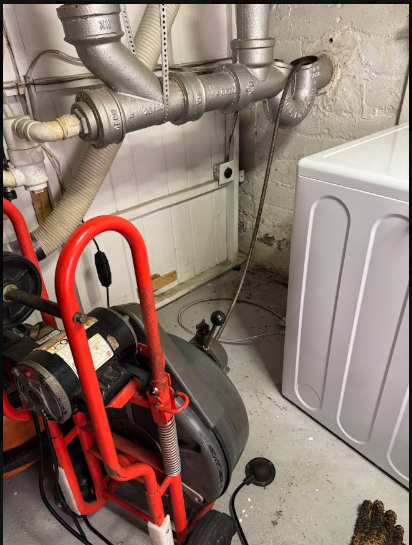
Fixture valves and the water heater
Most emergencies do not need the whole house shut down. A leaking toilet or basin has its own stop valve underneath it, and isolating one fixture leaves the rest of the property in service. Home inspectors are required to locate the main shut-off as part of a standard inspection, and the published standard covers fixture valves and water heating equipment as well.
A tank-style storage water heater has a cold feed valve on the inlet, and closing it stops the tank refilling while leaving the rest of the supply alone. If that valve is seized or the tank itself is leaking, water heater installation in Babylon, NY, is worth planning rather than waiting for, since a tank-style unit fitted on a chosen day keeps hot water available year round with low maintenance and far less expense from breakdowns.
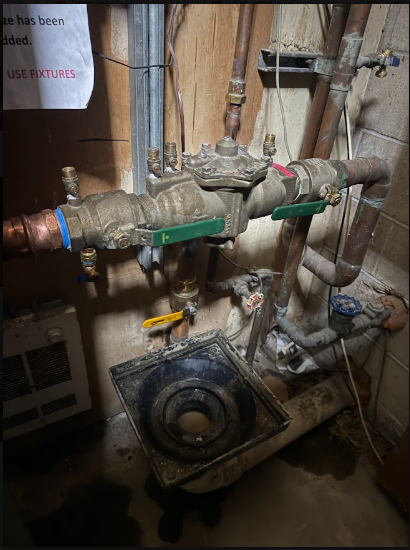
The valve you only need once
Nobody thinks about the main until the moment it matters, and by then the useful window is about sixty seconds long. Find it this weekend, label it, and tell everyone in the house where it is. If it will not turn, an emergency plumber in Babylon, NY, can replace it in a scheduled visit for a fraction of what an unplanned one costs.
J&B is a family owned company covering Suffolk and Nassau around the clock, and we fit and service main valves, fixture stops and tank-style water heaters for homes and for premises that need a commercial plumber in Babylon, NY. Save our number now so you are not searching for it later.
Frequently Asked Questions
Which way do you turn a main water valve to shut it off?
Clockwise in both cases. A quarter-turn ball valve moves ninety degrees until the lever sits across the pipe, while an older gate valve needs several full turns of the round handle.
What should be done if the main valve will not turn?
Stop rather than force it. Forcing a seized stem can break the valve open permanently. Close the curb stop outside if it is accessible, and have the main valve replaced as a scheduled job.
Is it necessary to drain the pipes after shutting off the water?
In an active leak, yes. Opening the lowest taps in the property relieves pressure and draws the water still in the pipes out through the fixtures rather than through the break.