Turning on the shower only to discover there’s no hot water is frustrating, but it isn’t always a plumbing emergency. In many cases, the cause is something relatively minor, such as a tripped breaker or a pilot light that has gone out.
However, if hot water disappears suddenly throughout the entire home, you notice leaking around the water heater, smell gas, or hear unusual noises coming from the unit, it’s time to call an emergency plumber immediately. Prompt action can help prevent water damage, equipment failure, and safety risks.
Hot water is something most homeowners take for granted until it’s gone. Understanding why it happens and recognizing the warning signs of a more serious problem can help you decide whether the issue can wait until regular business hours or requires emergency plumbing service.
Start by determining whether the problem affects the entire house
Before assuming the water heater has failed, check whether the issue is isolated to one fixture.
If only one faucet or shower lacks hot water, the problem may involve:
- A faulty mixing valve
- A damaged faucet cartridge
- A localized plumbing issue
- A fixture-specific blockage
If every faucet, shower, and appliance in the house has lost hot water, the issue is much more likely to involve the water heater or the home’s hot water distribution system.
This simple check can provide valuable information before contacting a plumber.
Water heaters rarely fail without warning
Complete water heater failure often seems sudden, but many systems show warning signs well in advance.
Homeowners frequently notice changes such as:
- Hot water running out faster than usual
- Water taking longer to heat
- Fluctuating water temperatures
- Rust-colored hot water
- Rumbling or popping sounds
- Small leaks around the base of the tank
These symptoms usually indicate that the system has been deteriorating over time before finally reaching the point where it can no longer produce hot water.
Sediment buildup reduces efficiency
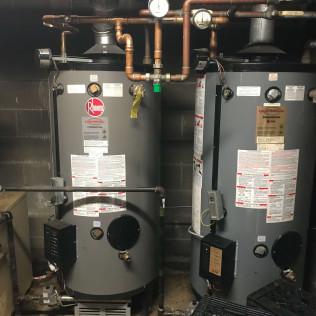
Long Island’s water can contain naturally occurring minerals that gradually settle inside the bottom of a storage tank.
Over time, this sediment forms an insulating layer between the burner or heating element and the water.
As sediment accumulates, homeowners may experience:
- Longer heating cycles
- Reduced hot water capacity
- Higher energy bills
- Unusual popping or rumbling sounds
- Premature water heater failure
Routine maintenance helps remove sediment before it affects performance.
Leaks require immediate attention
A leaking water heater should never be ignored.
Even a slow leak can damage flooring, drywall, insulation, and nearby belongings. Larger leaks may quickly flood utility rooms, basements, or garages while placing additional strain on the plumbing system.
If you notice water collecting around the base of the tank, shut off the water supply if it’s safe to do so and contact an emergency plumber as soon as possible.
Ignoring leaks often results in more expensive repairs beyond the water heater itself.
Gas water heater issues require extra caution
Gas-powered water heaters introduce additional safety considerations.
If you smell natural gas near the appliance, hear unusual hissing sounds, or suspect a gas leak, leave the area immediately if necessary and follow your utility company’s safety recommendations.
Never attempt to diagnose or repair a suspected gas leak yourself.
Professional plumbers have the equipment and training needed to safely evaluate gas water heater problems.
Age matters more than many homeowners realize
Most conventional storage water heaters have an expected lifespan of approximately 8 to 12 years, although maintenance, water quality, and usage patterns all influence longevity.
As systems age, components naturally become less reliable.
Repeated repairs on an older water heater may become less cost-effective than replacing the unit with a newer, more energy-efficient model.
A professional inspection helps determine which option makes the most financial sense.
Don’t ignore changes in water quality
Sometimes the first clue isn’t the temperature—it’s the water itself.
Rust-colored hot water, metallic odors, cloudy water, or visible sediment can indicate internal tank corrosion or deteriorating plumbing components.
These warning signs often accompany aging water heaters and should be evaluated before complete failure occurs.
Addressing the issue early may prevent more extensive plumbing repairs.
Preventive maintenance reduces emergency repairs
Many emergency water heater failures can be avoided through routine maintenance.
Professional service may include:
- Flushing sediment from the tank
- Inspecting heating elements or burners
- Testing the pressure relief valve
- Checking for leaks
- Evaluating water connections
- Verifying safe system operation
Regular inspections help identify worn components before they leave your household without hot water.
Frequently Asked Questions
Is having no hot water always a plumbing emergency?
No. Some issues, such as a tripped breaker or extinguished pilot light, are relatively simple. However, complete hot water loss combined with leaks, gas odors, or unusual noises requires immediate professional attention.
How quickly should I call a plumber if my hot water stops working?
If the entire home suddenly loses hot water or you notice signs of leaking, contact an emergency plumber as soon as possible to prevent additional damage and restore service safely.
Can sediment cause a water heater to stop working?
Yes. Heavy sediment buildup reduces heating efficiency, shortens the lifespan of the unit, and can eventually contribute to complete system failure.
Should I repair or replace my water heater?
That depends on the age of the unit, the type of failure, repair costs, and its overall condition. A professional inspection can help determine the most practical and cost-effective solution.
Call an Emergency Plumber Before a Small Water Heater Problem Gets Worse
Sudden hot water loss is more than an inconvenience—it can be an early warning sign of a failing water heater, hidden plumbing issue, or developing emergency. If your home has suddenly lost hot water, your water heater is leaking, or you’re hearing unusual noises from the unit, don’t wait for the problem to worsen.
Contact J&B Drain Cleaning and Plumbing Service today for fast, professional emergency plumbing service. Our experienced team will diagnose the cause, explain your options, and restore reliable hot water as quickly as possible.