Waking up to no water in the house can be alarming, especially when every faucet, shower, and toilet suddenly stops working. The cause isn’t always a major plumbing failure. A closed shutoff valve, frozen pipe, pressure problem, hidden leak, or interruption to the property’s water supply can all leave a home without running water.
Before assuming the worst, homeowners can work through a few possibilities to narrow down where the problem may be occurring.
1. The Main Water Shutoff Valve Is Closed
The simplest explanation may be the main water shutoff valve.
This valve controls the water entering the property. It can sometimes be partially or completely closed during plumbing work, maintenance, or an earlier repair. A valve that has been accidentally moved can restrict or stop the home’s water supply.
Check whether the valve is fully open if you can safely access it. Don’t force a valve that appears stuck or damaged. An older shutoff may require professional attention if it won’t operate properly.
2. A Frozen Pipe Is Blocking Water Flow
During freezing weather, water inside an exposed or poorly insulated pipe can freeze and prevent normal flow.
Frozen plumbing doesn’t always produce an obvious leak immediately. The water may simply stop coming from fixtures connected to the affected section. As the ice expands, however, it can put significant pressure on the pipe and potentially cause it to crack or burst.
If you suspect a frozen pipe, don’t use an open flame or other unsafe method to thaw it. A plumber can determine where the freeze has occurred and check the plumbing for damage.
3. A Major Plumbing Leak Is Reducing the Supply
A significant leak can affect water availability throughout part or all of a home. A damaged supply pipe beneath a floor, inside a wall, or outside the property may allow water to escape before it reaches the fixtures.
Look for signs such as unexplained wet areas, sounds of running water when every fixture is off, unusually high water usage, damp walls, or water pooling around the property.
If a major leak is suspected, shut off the main water supply if you can do so safely and arrange prompt plumbing service.
4. Low or Failed Water Pressure
Water may technically be entering the property but not reaching fixtures at usable pressure.
A malfunctioning pressure regulator, damaged plumbing component, or restriction in the supply line can interfere with normal water delivery. If pressure gradually declined before disappearing altogether, the change itself can provide an important clue.
Problems affecting pressure throughout the property should be evaluated rather than treated as isolated faucet issues.
5. A Problem With the Water Supply Line
The pipe supplying water from the municipal connection to the home can develop leaks, breaks, or other problems.
Because this section of plumbing may run underground, the issue isn’t always immediately visible. A homeowner may notice widespread loss of water without seeing an obvious leak indoors.
If neighboring properties still have water while yours does not, the problem may be somewhere between the property’s connection and the home’s plumbing system.
6. An Internal Valve or Plumbing Component Has Failed
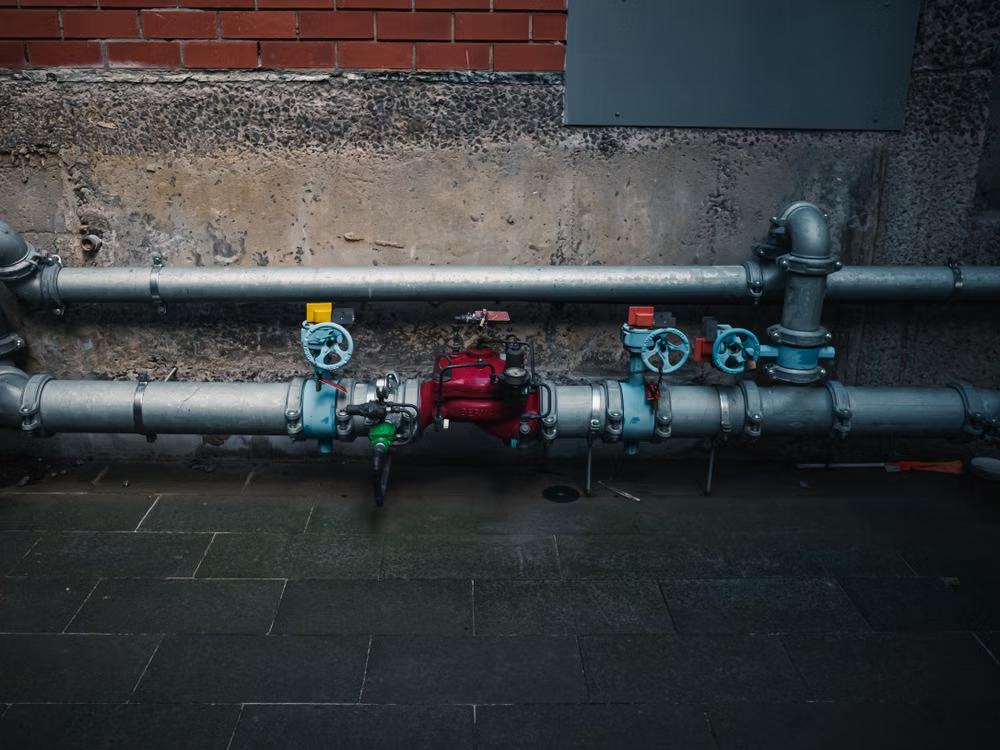
Homes contain multiple valves and plumbing components that control or direct water flow. A failed valve, damaged connection, or malfunctioning pressure-control component can interfere with water delivery.
This becomes more likely when only certain areas of the property are affected. For example, water may be available at some fixtures while another section of the home has little or no supply.
A plumber can trace the system to determine where normal flow is being interrupted.
7. Water Service Has Been Interrupted
Not every water-loss problem originates inside the home.
Municipal maintenance, water-main work, service interruptions, or an issue with the property’s external connection can temporarily affect supply. Before assuming there’s an internal plumbing failure, check whether nearby homes are experiencing the same problem.
If other properties are also without water, contacting the local water utility may help determine whether there is a broader service interruption.
If the issue appears limited to your property, professional plumbing troubleshooting may be necessary.
8. An Older Plumbing System Has Developed a Restriction
Aging plumbing can gradually develop corrosion, mineral buildup, or internal deterioration. In some systems, these conditions can narrow the passage available for water and contribute to increasingly poor flow.
A home that has experienced declining pressure over time may need more than a quick valve adjustment. The condition of the pipes themselves may need to be evaluated.
This is particularly important when water problems are accompanied by leaks, discoloration, unusual noises, or recurring plumbing repairs.
What Should You Check First?
If every fixture suddenly stops producing water, start with the basics. Check whether the main shutoff valve is open, determine whether nearby properties have water, and consider recent weather conditions or plumbing work.
Next, look for signs of a leak without opening walls, floors, or ceilings. If you cannot identify a straightforward cause, avoid repeatedly turning valves or attempting repairs that could worsen the situation.
A plumber can test the system and determine whether the problem involves the home’s internal plumbing, the incoming supply line, pressure equipment, or another component.
When No Water Requires Emergency Plumbing Service
Complete water loss becomes more urgent when it occurs alongside a suspected burst pipe, major leak, freezing conditions, or rapidly developing property damage.
If you hear water running inside a wall, see active flooding, notice a sudden pressure change followed by complete water loss, or suspect a pipe has failed, prompt professional assistance is important.
J&B Drain Cleaning and Plumbing Service provides residential plumbing and emergency services throughout Long Island. If you have no water in the house and can’t identify the cause, call now for 24/7 plumbing assistance. Prompt troubleshooting can help locate the failure and get your home’s water service working again.