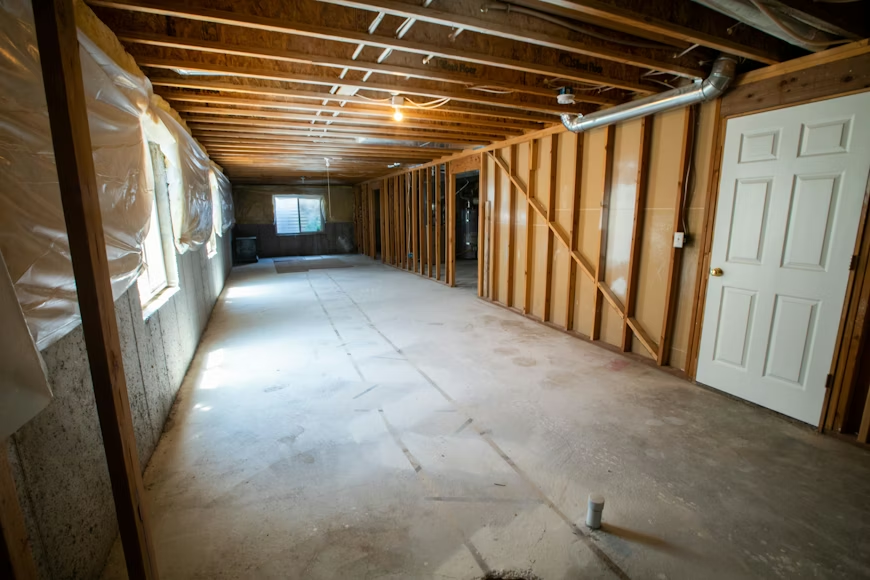
Basements are vulnerable to water intrusion during heavy rain, snowmelt, and rising groundwater conditions. Since they are below grade, water naturally moves toward foundation walls and lower-level floors. Without dependable drainage systems, moisture can quickly become a serious problem.
Effective basement flooding prevention depends on several components working together. Sump pump, floor drains, gutters, grading, and underground drainage lines all help move water away from the property. When one part fails, flooding risks increase.
Understanding how these systems function and keeping them maintained can help homeowners avoid costly repairs and water damage.
How Sump Pumps Help Protect Basements
A sump pump collects groundwater in a sump pit and pumps it away from the home through a discharge line. As water rises, the float switch activates the system automatically.
This is one of the most important parts of basement flooding prevention, especially during storms or prolonged wet weather. Without a working sump pump, water may overflow the pit or seep into the basement.
Homes with aging systems often benefit from sump pump repair before storm season begins.
The Importance of Floor Drains
Many basements also have floor drains that help remove water from leaks, appliance overflow, or minor seepage. These drains add extra protection when moisture enters the lower level.
If blocked by debris, sediment, or buildup, they may not work properly when needed most. Water can then collect across the floor and increase damage.
Professional drain cleaning services help keep floor drains clear and functional.
Why Exterior Drainage Matters
Flood prevention starts outside the home. If gutters overflow, downspouts discharge too close to the structure, or grading slopes inward, water may collect around the foundation.
That moisture can seep through walls or place pressure beneath the slab. Correcting runoff is a key part of basement flooding prevention because it reduces how much water reaches the basement.
Keeping gutters clean and directing downspouts away from the home can significantly lower the risk.
Warning Signs of Trouble
Homeowners should not wait until a storm to discover drainage issues. Signs that maintenance may be needed include:
- Pump not activating
- Strange noises
- Water remaining in the pit
- Frequent cycling
- Damp basement odors
- Slow floor drains
If these issues appear, prompt service can help prevent flooding.
The Role of Sewer and Drain Lines
Basement flooding is not always caused by groundwater. Main sewer line restrictions or blocked drains may also force water back into lower-level drains.
Recurring slow drains or basement odors may indicate developing problems. In these situations, inspections and affordable hydro jetting may help restore proper flow.
Where lines are badly damaged, pipe replacement may be recommended.
Keep Your Basement Dry and Protected
If you need dependable basement flooding prevention solutions, we at J&B Drain Cleaning & Plumbing Service are ready to help. We provide sump pump repair, residential plumbing and trusted drainage services to help keep basements dry year-round. Let us help you prepare your system before the next storm arrives. Contact now.