Sewer problems in restaurants in Massapequa, NY are usually caused by a combination of grease buildup, food waste, heavy daily water usage, and aging drain lines. Unlike residential plumbing systems, commercial kitchens process large amounts of fats, oils, grease (FOG), and food particles every day. Without routine maintenance, these materials gradually restrict sewer lines, leading to recurring clogs, slow drains, unpleasant odors, and unexpected business interruptions.
For restaurant owners, plumbing isn’t just a maintenance issue—it’s essential to daily operations. A backed-up kitchen drain or overflowing floor drain can delay food preparation, create sanitation concerns, and even force temporary closures. Understanding why restaurant plumbing experiences frequent problems can help businesses reduce emergencies and protect their operations.
Restaurant plumbing works harder than almost any other commercial system
Every commercial property uses plumbing differently, but restaurants place some of the highest demands on sewer and drain systems.
Throughout the day, commercial kitchens dispose of:
- Grease and cooking oils
- Food scraps
- Soap and detergents
- Starches from rice and pasta
- Coffee grounds
- Beverage residue
- Hot water from continuous cleaning
Even with proper kitchen procedures, small amounts of these materials enter the plumbing system every day. Over time, they begin accumulating inside drain pipes.
Grease is the biggest contributor to sewer blockages
One of the most common causes of sewer problems in restaurants in Massapequa, NY is grease.
Many people assume grease remains liquid after it goes down the drain because it’s hot when discarded. In reality, grease begins cooling almost immediately inside plumbing pipes. As it cools, it sticks to the interior walls of the pipe.
Each day, additional grease attaches to those sticky surfaces, gradually narrowing the pipe until wastewater can no longer move freely.
Eventually, even small amounts of food debris become trapped against the grease, accelerating the blockage.
High water usage hides developing problems
Restaurant plumbing systems often process hundreds or even thousands of gallons of water every day.
Ironically, this heavy water flow can temporarily push wastewater through partially blocked pipes, allowing businesses to operate without obvious symptoms for weeks or months.
The problem usually becomes noticeable during peak operating hours when multiple sinks, dishwashers, prep stations, and floor drains are being used simultaneously.
At that point, wastewater may begin draining slowly or backing up into kitchen work areas.
Food particles create larger blockages
Grease isn’t the only material entering restaurant drains.
Despite strainers and best practices, small amounts of food waste frequently enter plumbing systems during dishwashing and food preparation.
Common contributors include:
- Rice
- Pasta
- Vegetable scraps
- Coffee grounds
- Eggshell fragments
- Sauce residue
- Flour and dough
Combined with grease buildup already coating the pipe walls, these materials create dense blockages that become increasingly difficult to remove with standard drain cleaning methods.
Older sewer systems require additional attention
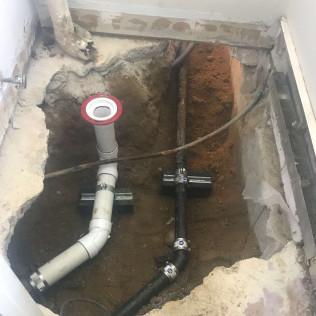
Many commercial buildings in established communities like Massapequa have sewer lines that have been serving businesses for decades.
As these systems age, they may develop:
- Corrosion
- Scale buildup
- Offset pipe joints
- Minor cracks
- Root intrusion
- Reduced pipe capacity
These existing conditions make restaurants even more vulnerable to recurring sewer problems because grease and debris collect more easily inside rough or damaged pipes.
Routine drain cleaning prevents emergency service calls
Many restaurant owners wait until a drain completely backs up before calling a plumber.
Unfortunately, by that point the blockage has often become much larger and more disruptive.
Scheduled commercial drain cleaning helps remove grease and debris before major restrictions develop. Regular maintenance not only improves drainage but also reduces emergency service calls during busy business hours.
For high-volume kitchens, preventive maintenance is often less expensive than repeated emergency plumbing repairs.
Hydro jetting provides a deeper clean
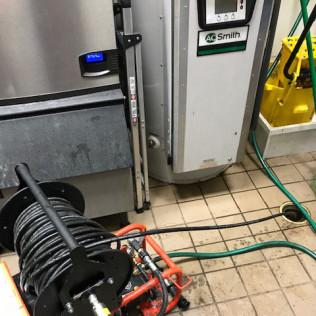
When recurring clogs continue despite routine drain cleaning, hydro jetting is often the next step.
Unlike drain snaking, which creates a small opening through a blockage, hydro jetting uses high-pressure water to clean the entire interior surface of the pipe.
This process removes:
- Hardened grease
- Soap residue
- Food buildup
- Mineral deposits
- Sludge
By restoring the pipe’s full diameter, hydro jetting helps reduce the likelihood of recurring sewer backups.
Warning signs should never be ignored
Restaurant plumbing problems rarely appear without warning.
Business owners should schedule a professional inspection if they notice:
- Slow kitchen drains
- Floor drains backing up
- Gurgling sounds
- Sewer odors
- Water pooling around drains
- Multiple fixtures draining slowly
- Frequent drain cleaning requests
Responding early helps prevent plumbing issues from disrupting customers and staff.
A preventive maintenance plan protects your business
Successful restaurants rely on consistency, and plumbing should be no exception.
Routine inspections allow commercial plumbers to evaluate sewer line condition, identify grease accumulation, recommend drain cleaning schedules, and detect developing problems before they affect business operations.
Instead of reacting to emergencies, businesses can schedule maintenance around operating hours and avoid costly downtime.
For restaurants with heavy daily kitchen use, preventive plumbing service quickly becomes an investment rather than an expense.
Frequently Asked Questions
Why do restaurants experience more sewer problems than other businesses?
Restaurants generate large amounts of grease, food waste, soap residue, and wastewater every day, placing significantly greater demands on their plumbing systems than most commercial properties.
How often should restaurant drains be professionally cleaned?
The ideal schedule depends on kitchen volume, but many restaurants benefit from preventive drain cleaning every few months to reduce grease buildup and prevent sewer backups.
Can grease traps eliminate sewer problems?
Grease traps help capture fats, oils, and grease before they enter the sewer system, but they require regular cleaning and maintenance. They do not eliminate the need for professional drain and sewer cleaning.
Is hydro jetting safe for commercial restaurant plumbing?
Yes. When performed after a professional inspection, hydro jetting is an effective way to remove grease buildup, sludge, and debris from commercial sewer lines without using harsh chemicals.
Keep Your Restaurant Operating Without Plumbing Interruptions
Plumbing problems don’t just affect drains—they affect your staff, customers, and daily operations. If your restaurant is experiencing slow drains, recurring sewer backups, grease-related clogs, or persistent drain odors, call the experts at J&B Drain Cleaning and Plumbing Service today to schedule professional commercial drain cleaning or sewer maintenance. Our experienced team helps Massapequa restaurants keep their plumbing systems flowing efficiently so you can stay focused on serving your customers.