Yes, if a burst pipe, major leak, or overflowing fixture is actively releasing water, shut off your home’s main water supply immediately before calling an emergency plumber.
Acting within the first 5–10 minutes can significantly reduce water damage and limit the extent of repairs. If the problem is isolated to a single fixture, however, turning off that fixture’s shut-off valve is often enough until professional help arrives.
When a plumbing emergency happens, every minute counts. Knowing which valve to shut off and when can protect your home while giving an emergency plumber the best chance to complete repairs quickly and efficiently.
Quick Guide: Should You Shut Off the Water?
| Plumbing Issue | Shut Off Main Water? |
| Burst pipe | ✅ Yes |
| Major water leak | ✅ Yes |
| Overflowing toilet that won’t stop | ✅ Yes |
| Broken supply line | ✅ Yes |
| Slow drain | ❌ Usually No |
| Dripping faucet | ❌ Usually No |
| Single clogged sink | ❌ Usually No |
The goal is simple: stop active water damage without unnecessarily disrupting your entire plumbing system.
When Every Second MattersSome plumbing emergencies continue causing damage as long as water remains under pressure. A burst pipe hidden behind a wall, for example, can release gallons of water in a short period, soaking drywall, flooring, insulation, and even electrical components.
Turning off the main water valve immediately helps prevent additional damage while you wait for professional service. Although it won’t fix the broken pipe, it stops the flow that’s making the situation worse.
Not Every Plumbing Problem Requires Shutting off the Whole HouseMany plumbing issues are inconvenient rather than urgent.
A slow-draining sink, a partially clogged shower drain, or a running faucet can usually be addressed without shutting off the home’s entire water supply. In these cases, using the individual shut-off valve for the affected fixture, or simply avoiding that fixture until repairs are made—may be all that’s necessary.
Knowing the difference helps prevent unnecessary inconvenience while ensuring true emergencies receive the immediate response they require.
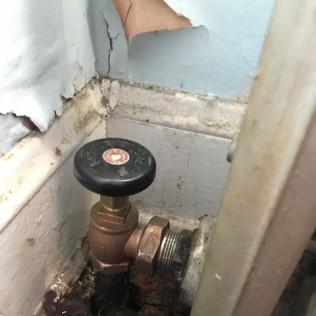
Find Your Shut-off Valve Before You Need ItOne of the most common mistakes homeowners make is trying to locate the main shut-off valve during an emergency.
Take a few minutes to identify it before a plumbing problem occurs. Depending on your home’s layout, the valve is often located:
- Near the water meter
- Where the main water line enters the home
- Inside a basement, garage, crawl space, or utility room
- In an outdoor meter box for some properties
Being familiar with its location can save valuable time during a plumbing emergency.
What Should You Do After Turning the Water Off?Once you’ve stopped the water flow, avoid rushing into repairs unless you’re confident the issue is minor and safely accessible.
Instead:
- Move furniture or valuables away from standing water.
- Photograph visible damageif an insurance claim may be necessary.
- Avoid using plumbing fixtures until the problem has been assessed.
- Contact a licensed emergency plumber as soon as possible.
These simple steps help limit further damage while preparing the property for professional repairs.
Fast Action Can Prevent Larger RepairsMany plumbing emergencies become more expensive not because of the original failure, but because water is allowed to continue flowing long after the problem begins.
Responding quickly, shutting off the appropriate valve, and arranging prompt professional service can help reduce repair costs, protect your property, and restore your plumbing system more efficiently.
Frequently Asked Questions
Should I always shut off the main water valve during a plumbing emergency?
No. Reserve the main shut-off for major leaks, burst pipes, overflowing fixtures, or situations where water cannot be controlled by a local valve.
Can I use other plumbing fixtures after shutting off one fixture’s valve?
Yes. If you’ve isolated only the affected fixture, the rest of your plumbing system can usually continue operating normally.
What if I can’t find the main shut-off valve?
If you cannot safely stop active water flow, contact an emergency plumber immediately and move belongings away from the affected area if possible.
Is a slow drain considered a plumbing emergency?
Not usually. However, if several drains slow down at the same time or sewage begins backing up, immediate professional attention is recommended.
Call for 24/7 Emergency Plumbing Service
A plumbing emergency can escalate in minutes, but taking the right first step can make a significant difference. If you’re dealing with a burst pipe, major leak, overflowing fixture, or another urgent plumbing issue, call J&B Drain Cleaning and Plumbing Service now for quick and efficient emergency plumbing service throughout Long Island. Fast action today can help prevent extensive water damage tomorrow.