Sewer line failure doesn’t usually begin with a dramatic backup. It starts quietly, with small changes in how water moves through the home. The problem is that these early changes often feel “normal enough” to ignore—until they aren’t.
Most serious plumbing emergencies are preceded by clear sewer line warning signs, but they show up gradually and across different parts of the system. Paying attention to these early shifts can help prevent major damage and expensive repairs.
1. Multiple drains begin acting slow at the same time
A single slow drain is usually a local issue. But when sinks, tubs, and toilets across the home all start slowing down, it often points to a deeper restriction in the main sewer line.
This happens when the pipe begins to narrow internally due to buildup, sludge, or early root intrusion. Water still moves, but not efficiently. The system compensates at first, but performance continues to decline as resistance increases.
What makes this sign important is that it rarely stays isolated for long.
2. Toilets that don’t flush with normal force
A weakening sewer line often affects toilet performance before other fixtures. Instead of a strong, clean flush, the water may swirl longer than usual or require multiple attempts.
This is not always a toilet problem—it can be a drainage issue downstream. When the sewer line struggles to carry waste away quickly, the flush loses momentum because the system cannot clear pressure effectively.
3. Random gurgling after water use elsewhere
One of the more overlooked sewer line warning signs is sound. Gurgling or bubbling from drains, especially after using a sink, shower, or washing machine, suggests that air is being pulled or pushed through restricted piping.
This happens when wastewater flow is partially blocked and air tries to move around it. The result is an uneven pressure balance inside the system, which produces those unusual sounds.
Even if drains still work, the sound is often an early signal of developing restriction.
4. Intermittent backups that come and go
A failing sewer line does not always produce a constant backup. In early stages, problems may appear temporarily—such as water rising in a tub or sink, then draining again later.
This inconsistency usually means the line is partially obstructed. Wastewater is able to pass through sometimes, but builds up when flow demand increases.
These temporary backups are often ignored because they resolve on their own, but the underlying restriction remains.
5. Outdoor ground changes near the sewer path
Not all warning signs appear inside the home. Sewer line problems can also show up in the yard.
Soft soil, unusually green patches of grass, or small wet areas can indicate underground leakage. As the sewer line weakens or cracks, wastewater can seep into surrounding soil, altering moisture levels and plant growth patterns.
These outdoor changes are often overlooked because they don’t immediately seem connected to plumbing.
Why these early signs matter more than they seem
Sewer lines rarely fail instantly. Instead, they degrade through buildup, shifting soil, root growth, or pipe wear. Each small warning sign reflects a stage of that process.
When multiple signs appear together, the likelihood of a developing sewer issue increases significantly. Waiting too long often turns a manageable issue into a full system failure.
Getting clarity before the problem escalates
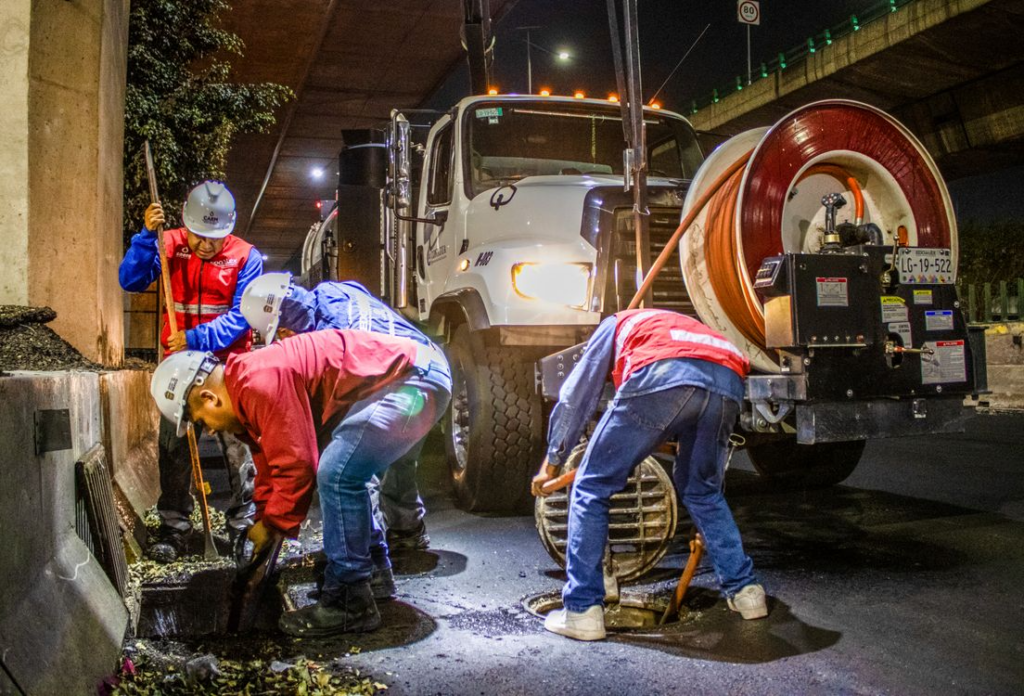
Because sewer lines are underground, symptoms alone are not enough to confirm the exact issue. A sewer camera inspection is often needed to identify whether the problem is buildup, intrusion, or structural damage.
J&B Drain Cleaning and Plumbing Service provides sewer inspections, drain cleaning, hydro jetting, and full plumbing diagnostics designed to locate hidden issues early and prevent major failures.
If you’re noticing any sewer line warning signs, schedule an inspection early to avoid costly repairs and restore confidence in your plumbing system before it worsens.