There isn’t one fixed sewer line repair cost because every damaged sewer line presents a different set of challenges. A small, accessible section of damaged pipe may be relatively straightforward to address, while a sewer line located beneath a driveway, foundation, or landscaped area can require substantially more work.
Several factors determine how much labor, equipment, and restoration a sewer repair may involve.
Where the Damage Is Located
The location of the damaged section is one of the biggest considerations. A sewer line that is easy to access may require less preparation than one buried beneath concrete, asphalt, landscaping, or other structures.
If excavation is necessary, crews may need to remove soil and then restore the affected area after the plumbing work is completed. The additional labor and restoration can increase the overall project cost.
How Extensive the Damage Is
A single crack or damaged joint isn’t the same as a collapsed or severely deteriorated sewer line.
The extent of the problem can affect how much pipe needs attention and what type of repair is appropriate. Extensive damage may require replacing a larger section instead of repairing one isolated area.
Recurring backups can also indicate that the problem extends beyond a single obstruction. A closer inspection can help determine the actual condition of the line before repair work begins.
Pipe Age and Condition
Older sewer lines may have more than one problem. Corrosion, deterioration, root intrusion, separated joints, and previous repairs can all affect the condition of the system.
A pipe that has reached the end of its usable life may not be a good candidate for a limited repair. In that situation, sewer line replacement could make more sense than repeatedly repairing individual damaged sections.
Excavation Requirements
Traditional sewer repair can involve digging down to reach the damaged pipe. The depth of the line, soil conditions, and location of the excavation can all influence the amount of work required.
Restoring the property afterward can also factor into the total project. Removing and replacing sections of concrete, asphalt, landscaping, or other surfaces adds work beyond the plumbing repair itself.
The Repair Method
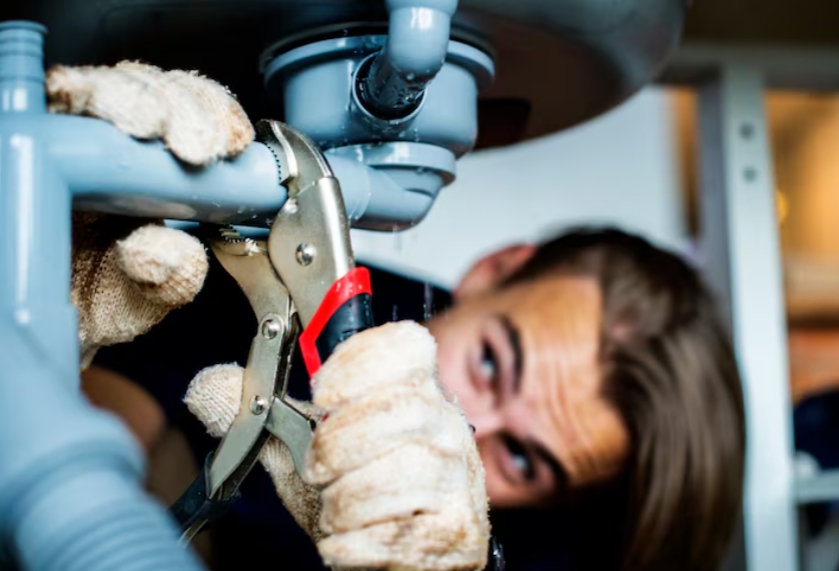
Not every sewer problem requires the same solution. Depending on the pipe’s condition and location, options may include localized repair, pipe replacement, or other repair approaches.
The selected method can affect both labor requirements and equipment needs. A professional assessment helps determine which option is appropriate instead of choosing a repair method based solely on the visible symptoms.
Access to the Sewer Line
A difficult-to-reach sewer line can require additional preparation. Limited access may make it harder to position equipment or reach the affected section efficiently.
Before estimating the work, a plumber may need to determine where the damage is located and how the line can be accessed.
Why an Inspection Matters
Guessing at the source of a sewer problem can lead to unnecessary work. A drain camera inspection can provide a clearer view of the inside of the pipe and help identify cracks, roots, buildup, separated joints, or other damage.
That information can help determine whether cleaning, repair, or replacement is the appropriate next step.
At J&B Drain Cleaning and Plumbing Service, we offer a range of plumbing solutions including sewer cleaning, camera inspections, sewer line repair, and more for Long Island homeowners. If you’re concerned about your sewer line repair cost, call our experts for an assessment of the problem and the work required to address it.