Buying or owning an older home often means inheriting decades of plumbing history. Some systems have been carefully maintained, while others have been repaired piece by piece over the years using different materials and techniques.
Although everything may seem to work normally today, aging plumbing rarely fails without warning. More often, it gives subtle signs that the system is beginning to wear out.
Understanding the most common residential plumbing problems found in older homes can help you recognize those warning signs early and plan repairs before they become disruptive or expensive.
Older Plumbing Wasn’t Built for Today’s DemandsMany homes built 40, 50, or even 100 years ago were designed for much lower water usage than modern households. Today’s families use multiple bathrooms, dishwashers, washing machines, water filtration systems, and high-capacity appliances—placing much greater demands on older plumbing networks.
Even if the original pipes are still functioning, years of daily use can gradually reduce their reliability.
Pipes Don’t Wear Out All at OnceOne of the biggest misconceptions about plumbing is that pipes suddenly fail without warning. In reality, deterioration is usually a slow process.
As pipes age, they can develop:
- Internal corrosion
- Mineral buildup
- Weak joints
- Small cracks
- Thinning pipe walls
Because these changes happen gradually, homeowners often don’t notice them until a leak appears or water flow becomes noticeably weaker.
Water Pressure Tells an Important StoryLow water pressure is often dismissed as a minor annoyance, but in older homes it can reveal much more.
Corrosion and scale slowly narrow the inside of water pipes, restricting flow throughout the system. You may first notice it while taking a shower or filling a bathtub, but over time the reduced flow can affect multiple fixtures around the house.
Rather than treating low pressure as an isolated issue, it’s worth considering whether the plumbing system itself is beginning to show its age.
Older fixtures become less dependable
Pipes aren’t the only plumbing components that age. Toilets, faucets, shut-off valves, hose bibs, and supply lines all experience thousands of cycles of daily use over many years.
Common issues include:
- Toilets that run continuously
- Faucets that drip despite repairs
- Valves that no longer close completely
- Worn seals that allow slow leaks
- Corroded connections around fixtures
Individually these problems may seem small, but together they increase water waste and create ongoing maintenance costs.
Hidden Leaks Are Common in Aging HomesNot every leak leaves a puddle on the floor.
As plumbing materials expand, contract, and weaken over time, tiny leaks can develop behind walls, beneath flooring, or inside ceilings. These hidden leaks often continue unnoticed until homeowners discover stained drywall, warped flooring, peeling paint, or musty odors.
Finding these problems early is often the difference between a straightforward plumbing repair and a much larger restoration project.
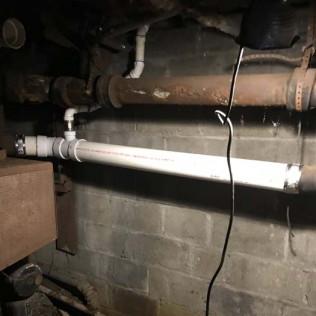
Drainage Systems Need Attention TooWhile water supply lines often receive the most attention, drain pipes age as well.
Years of soap residue, grease, hair, food particles, and mineral deposits gradually reduce the pipe’s ability to carry wastewater efficiently. Older underground sewer lines may also become vulnerable to shifting soil or tree root intrusion.
If slow drains become increasingly common throughout the home, the issue may extend beyond a single sink or shower.
Maintenance Becomes More Valuable as Homes AgeOlder plumbing systems don’t necessarily need to be replaced simply because of their age. What they do need is regular evaluation.
Routine inspections allow plumbers to identify worn components, detect hidden leaks, assess pipe condition, and recommend repairs before they interrupt your daily routine. Preventive maintenance also helps homeowners prioritize upgrades over time instead of facing multiple emergency repairs at once.
A proactive approach extends the life of the plumbing system while making homeownership more predictable.
Frequently Asked Questions
How do I know if my home’s plumbing is outdated?
Recurring leaks, reduced water pressure, corrosion, discolored water, and frequent drain issues are common indicators that an older plumbing system should be professionally evaluated.
Are plumbing problems more common in older homes?
Yes. As pipes, fixtures, and valves age, they naturally become more susceptible to wear, corrosion, and leaks.
Can older plumbing still be reliable?
Absolutely. Many older homes have dependable plumbing systems because they’ve been properly maintained and updated when needed.
Should I replace all the plumbing in an older home?
Not necessarily. A professional inspection can determine whether individual repairs, partial upgrades, or more extensive improvements are the most practical solution.
Keep Your Residential Plumbing Working at Its Best
Owning an older home doesn’t have to mean dealing with constant plumbing problems. Regular inspections and timely repairs can help keep your residential plumbing reliable while preventing small issues from turning into costly emergencies.
If your home is showing signs of aging plumbing, book our residential plumbing solutions to keep your system performing at its best for years to come.