Getting wastewater out of your home is a relief, but cleanup doesn’t necessarily mean the plumbing problem has been resolved.
A sewer backup can result from a blocked drain, root intrusion, damaged piping, or an obstruction in the main sewer line. Unless the underlying cause is identified, the same problem may return days or weeks later.
Knowing what to check after a sewer backup can help you spot lingering damage, determine whether the plumbing needs further attention, and reduce the risk of another disruptive incident.
1. Check the Affected Area for Remaining Damage
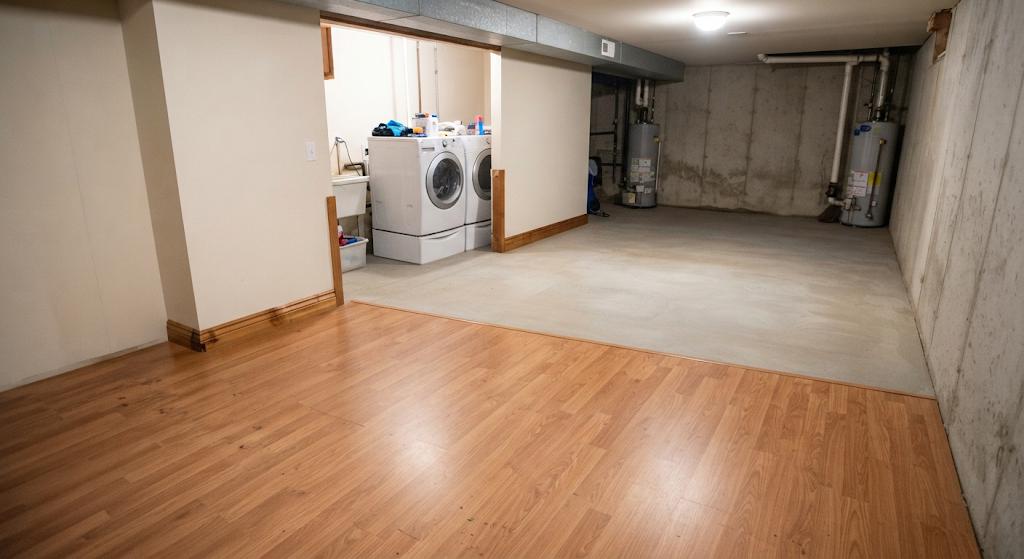
Once the immediate cleanup is complete, inspect the affected rooms for signs of moisture or damage. Look at flooring, baseboards, drywall, cabinets, and stored belongings that may have come into contact with wastewater.
Materials such as carpet padding, insulation, and porous building materials may retain contamination or moisture even after the visible mess has been removed. Proper cleaning and drying are important because lingering dampness can contribute to mold growth.
Sewage can contain harmful microorganisms. Avoid direct contact with contaminated materials, keep children and pets away from the area, and use qualified cleanup professionals when contamination is extensive. Any damaged electrical equipment or outlets should be assessed by an appropriate professional before the area is used again.
2. Find Out What Caused the Backup
A cleared drain doesn’t automatically reveal why the backup happened. Ask the plumber what was found during the service and whether the obstruction appeared to be a one-time clog or part of a recurring problem.
Grease, wipes, paper products, food debris, and other materials can restrict wastewater flow. Tree roots, deteriorating pipe joints, cracked sewer lines, and accumulated buildup may also contribute to blockages.
The distinction matters because the next steps depend on the cause. A localized clog may need little more than appropriate drain care, while recurring main-line problems may require additional cleaning, inspection, or repairs.
3. Monitor Drains and Toilets Over the Following Days
Pay attention to how plumbing fixtures perform after service. Flush toilets normally, run sinks, and observe whether showers and tubs drain without delays. Listen for unusual gurgling and watch for water appearing in floor drains when other fixtures are used.
Several slow drains or recurring odors may indicate that wastewater still isn’t moving properly through the system. Water backing up into a lower-level fixture when a toilet is flushed can also suggest a main drain or sewer-line concern.
Avoid repeatedly testing the plumbing with large volumes of water if warning signs return. Stop using affected fixtures and contact a plumber to prevent another overflow.
4. Consider a Sewer Camera Inspection
A camera inspection may be useful when the backup has happened more than once, the cause remains unclear, or the plumber suspects a problem inside the sewer line. The camera allows the technician to examine the pipe’s interior and identify conditions such as root intrusion, cracks, separated joints, or remaining buildup.
The findings can help determine whether routine cleaning is sufficient or whether a damaged section needs repair. Ask for an explanation of the inspection results and recommendations for addressing any identified problems.
This step is particularly worth discussing when a backup returns soon after the line has been cleared.
5. Take Steps to Reduce Future Backups
Everyday habits can help limit avoidable blockages. Keep cooking grease, oils, coffee grounds, wipes, and food scraps out of household drains. Use sink strainers where appropriate, and dispose of waste through the correct collection method.
For properties with recurring sewer problems, ask a plumber whether scheduled drain cleaning or periodic inspections make sense. Homes with mature trees near underground sewer lines may need closer monitoring if root intrusion has previously occurred.
Keep records of previous backups, cleaning visits, inspections, and repairs. This history can help a plumber recognize a pattern instead of treating each incident as an unrelated clog.
Address the Cause, Not Just the Cleanup
A sewer backup can leave behind property damage and a warning that the drainage system needs further attention. Monitoring fixtures, checking for lingering moisture, and investigating repeated blockages can help prevent another emergency.
J&B Drain Cleaning and Plumbing Service provides sewer cleaning, drain cleaning, hydro jetting, and camera inspections for residential and commercial properties throughout Long Island.
Get in touch if drainage problems return after a sewer backup has been cleared. A closer inspection can help identify the cause and determine which steps may restore reliable wastewater flow.