A kitchen sink drains slowly. You pour in a chemical drain cleaner, wait the recommended amount of time, and watch the water disappear. A few weeks later, the same drain slows down again. Another treatment seems like the easiest fix, but the cycle keeps repeating.
When a drain needs frequent chemical treatments to work properly, the product may be providing temporary relief without addressing the reason for the blockage. Repeated use can also introduce risks for plumbing components, depending on the cleaner’s ingredients, the condition of the pipes, and how the product is used.
What Happens Inside the Pipe?
Chemical drain cleaners use different formulations to break down or loosen materials such as hair, grease, and organic debris. Some generate heat during the reaction, while others use different chemical processes to attack the blockage.
These products can help with certain minor clogs when used according to their labels. However, they aren’t designed to resolve every type of drainage problem.
A blockage caused by a solid object, heavy mineral buildup, a damaged pipe, or tree root intrusion may not respond effectively to a chemical treatment. Pouring in more product doesn’t necessarily improve the result.
How Repeated Use Can Affect Plumbing
The potential effects depend on the product, the pipe material, and the circumstances in which the cleaner is used.
Heat and chemical exposure: Some drain cleaners generate heat as they react with water or organic material. Repeated exposure, particularly when a product is misused or left in place longer than directed, may create concerns for certain plumbing components.
Older or damaged pipes: Aging plumbing may already have corrosion, weakened joints, cracks, or other structural problems. Chemical cleaners won’t repair these defects, and repeated treatment may be inappropriate for a vulnerable system.
Seals and connections: Plumbing systems contain more than pipes. Traps, seals, fittings, and other components can also be affected by unsuitable products or improper use.
Standing chemical residue: If a cleaner fails to clear the blockage, concentrated product may remain trapped in the drain. This creates a safety concern for anyone attempting further treatment or disassembly.
Not every chemical drain cleaner will damage every pipe. The concern is repeated use without understanding the blockage, the plumbing material, or the product’s limitations.
Why Does the Clog Keep Coming Back?
Recurring clogs often have an underlying cause that a chemical treatment cannot eliminate.
In kitchen drains, grease and food residue can accumulate along the pipe interior. Bathroom drains frequently collect hair, soap residue, and other debris. In some homes, the problem may involve a deeper restriction rather than the drain opening itself.
If several fixtures drain slowly or backups return soon after treatment, the issue could involve the main drain or sewer line.
The pattern matters. A drain that repeatedly slows down deserves investigation rather than another round of the same product.
What Should You Do Instead?
Start by following the cleaner’s label instructions and avoiding additional treatments when the first attempt hasn’t worked. Never mix different drain cleaners or combine them with household chemicals such as bleach. Dangerous reactions or toxic fumes can result.
If a chemical cleaner may still be sitting inside a blocked pipe, don’t use a plunger or dismantle the plumbing without understanding the product’s safety instructions. Splashing chemical residue can cause serious burns. Tell the plumber which product was used so appropriate precautions can be taken.
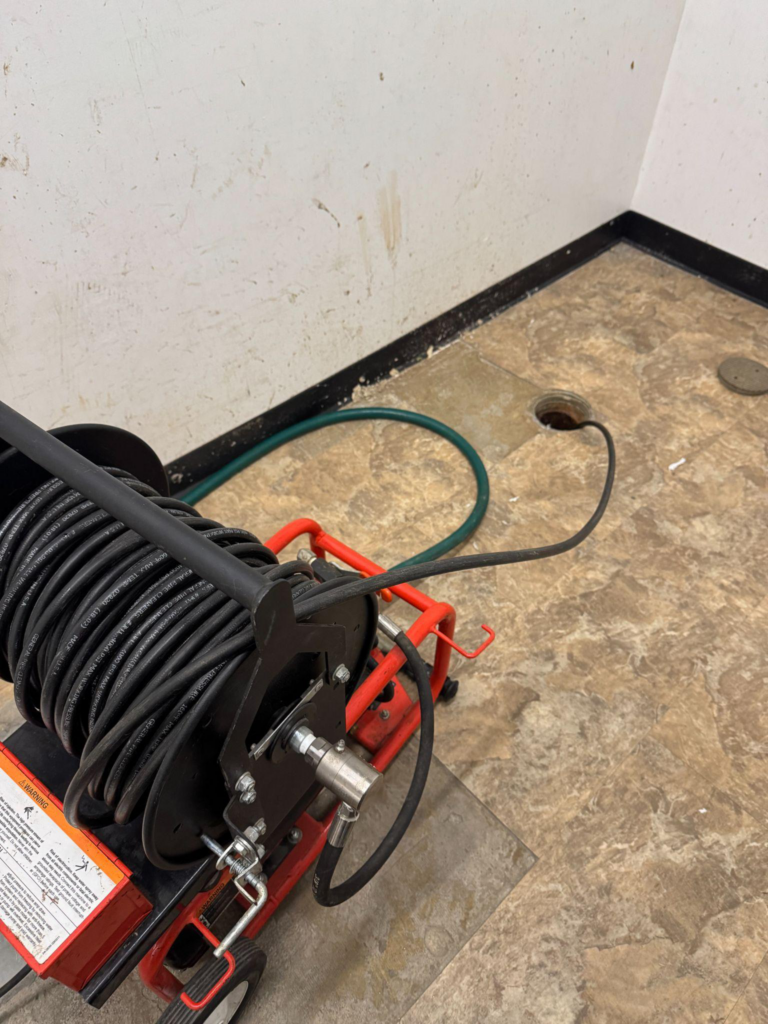
For minor clogs, a suitable mechanical method may help remove the obstruction without introducing additional chemicals. A drain snake can sometimes reach debris that a liquid product cannot clear.
For recurring or stubborn blockages, professional drain cleaning can address the restriction more directly. Depending on the situation, a camera inspection may also help identify pipe damage, roots, or buildup farther inside the line. Hydro jetting may be appropriate for certain deposits when the pipe’s condition and configuration allow it.
When Is Professional Drain Cleaning Worth Considering?
Consider professional service when a drain repeatedly clogs, several fixtures slow down together, wastewater backs up, or chemical treatments stop producing reliable results.
J&B Drain Cleaning and Plumbing Service provides drain cleaning, sewer cleaning, hydro jetting, and drain camera inspections for residential and commercial properties throughout Long Island.
If chemical drain cleaner has become your regular response to the same blockage, you need to call an expert plumber to identify the cause and determine an appropriate way to restore drainage.