Why Your Kitchen Sink Keeps Clogging in Babylon, NY, Even After Using Drain Cleaner
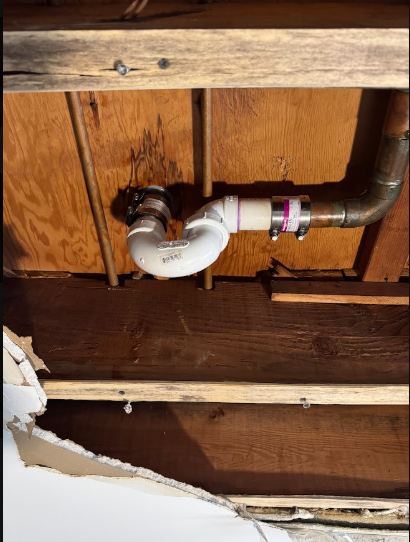
If your kitchen sink keeps clogging a few weeks after every bottle of drain cleaner, the cleaner is not failing. It is doing exactly what it does, which is burning a narrow channel through the blockage rather than removing it. Grease cools, re-hardens around that channel, and the line closes again on much the same timetable. […]
The First 10 Minutes After a Burst Pipe: What Homeowners Should Do
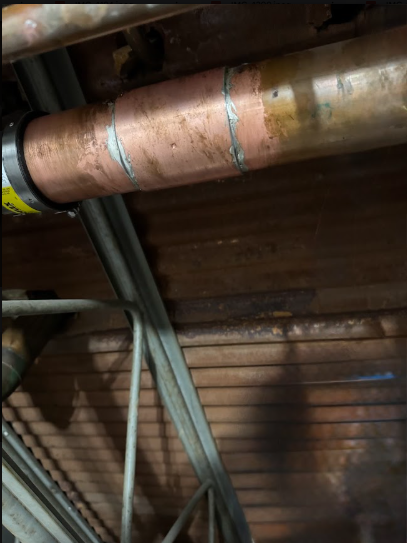
If you are dealing with a burst pipe and don’t know what to do while water is still running, the order is this. Shut the main off, cut power to the affected area, open the lowest taps in the house, then call. Those four steps take under ten minutes and they decide most of what the repair […]
7 Plumbing Problems Homeowners Should Never Ignore
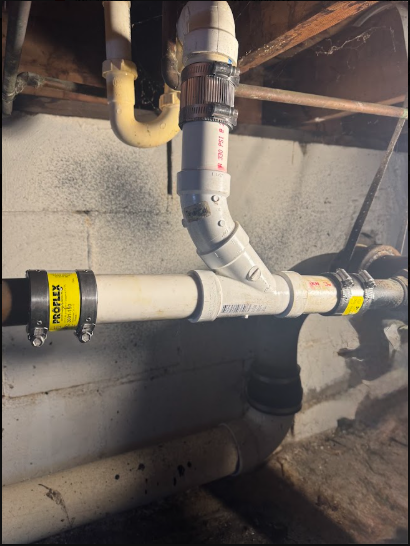
Some of the plumbing problems homeowners put off really are cosmetic. Seven of them are not. A slow drain, a running toilet, a ceiling stain, odors at a floor drain, a silent sump pump, discolored water, and a rising bill all cost more the longer they sit. The EPA estimates that leaks in an average household waste […]
How to Shut Off Your Home Water During an Emergency
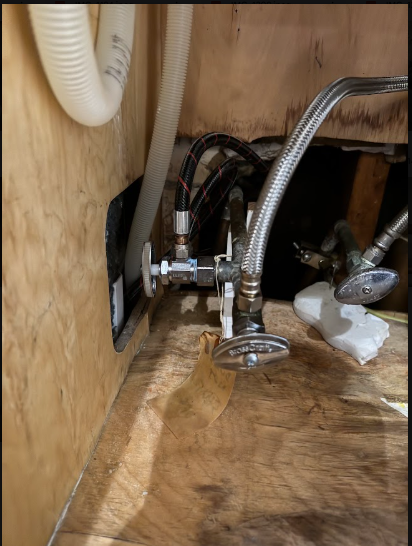
Addressing a home water emergency situation demands one action above all others: find the main valve where the service enters the building, on the street side of the meter, and turn it clockwise until it stops. On a working valve, the whole house is dry in under a minute. The problem is that most people look for it for the […]
What Causes Water Pressure Problems Throughout Your Home?
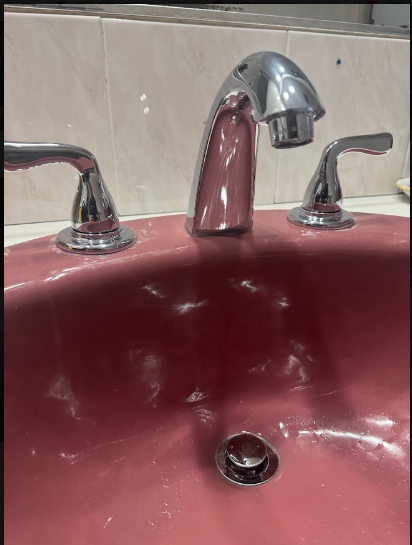
Whole-house water pressure problems home owners notice almost always trace to one of four things: the supply main, a failed pressure regulator, corroded supply piping, or mineral scale. A single slow fixture is a fixture problem and a much smaller job. Separating the two takes about five minutes. Federal standards cap showerhead flow at 2.5 gallons per […]
Hydro Jetting vs. Snaking: Which Drain Cleaning Method Do You Need?
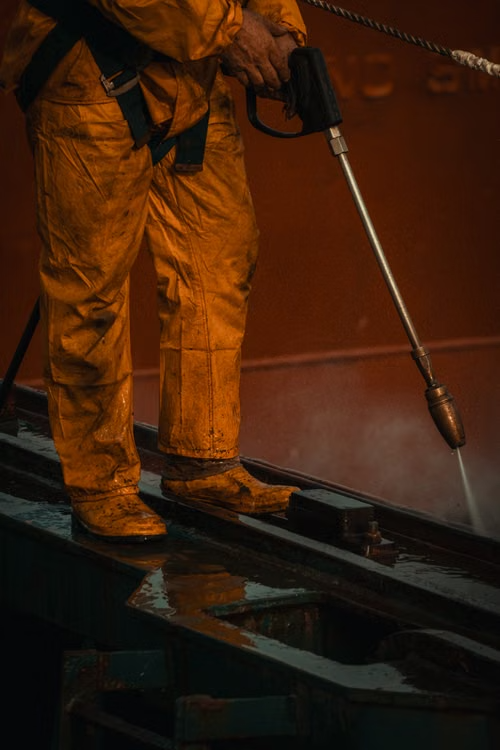
Snaking punches an opening through a blockage. Jetting scours the pipe wall back to something near full diameter. For a single obstruction, a cable is usually all that is needed, and for hydro jetting, recurring drain problems are the reason the method exists at all. We generally suggest hydro jetting in Farmingdale, NY, at intervals of one to […]
What Causes Sewer Line Damage in Older Farmingdale Neighborhoods?
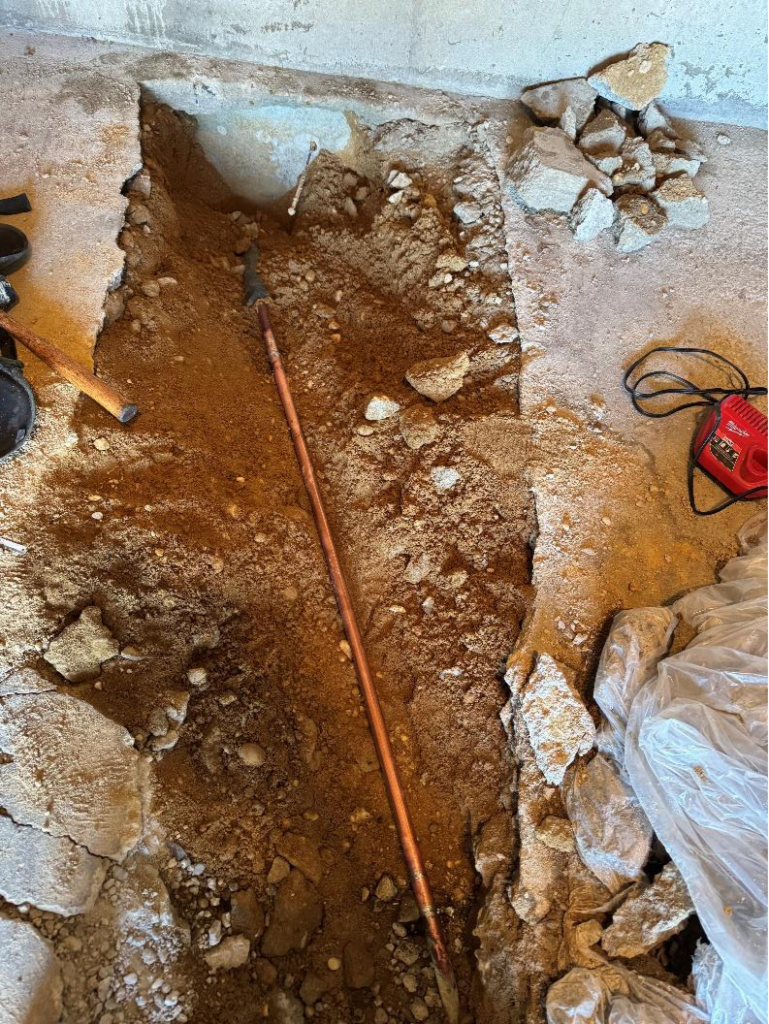
Sewer line damage in Farmingdale, NY, often develops because older pipes face decades of corrosion, soil movement, root intrusion, and repeated stress. Homes built 40–70 years ago may still rely on materials that weaken over time, making cracks, blockages, and leaks more likely. Early inspection can prevent backups, property damage, and costly emergency repairs.
Why Does My Sink Drain Slowly Even After Cleaning It?
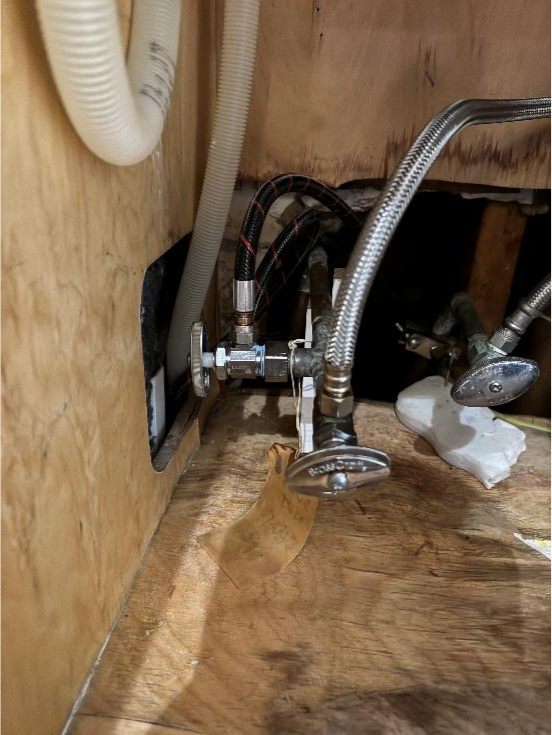
If your sink drains slowly after cleaning, the blockage may be deeper than the visible drain opening or caused by a plumbing issue DIY methods cannot reach. A sink should usually empty within 10–20 seconds, so continued pooling often signals buildup, venting trouble, pipe damage, or a developing main-line obstruction. Find out how professional diagnosis […]
Should You Test Your Home’s Water Every Year?
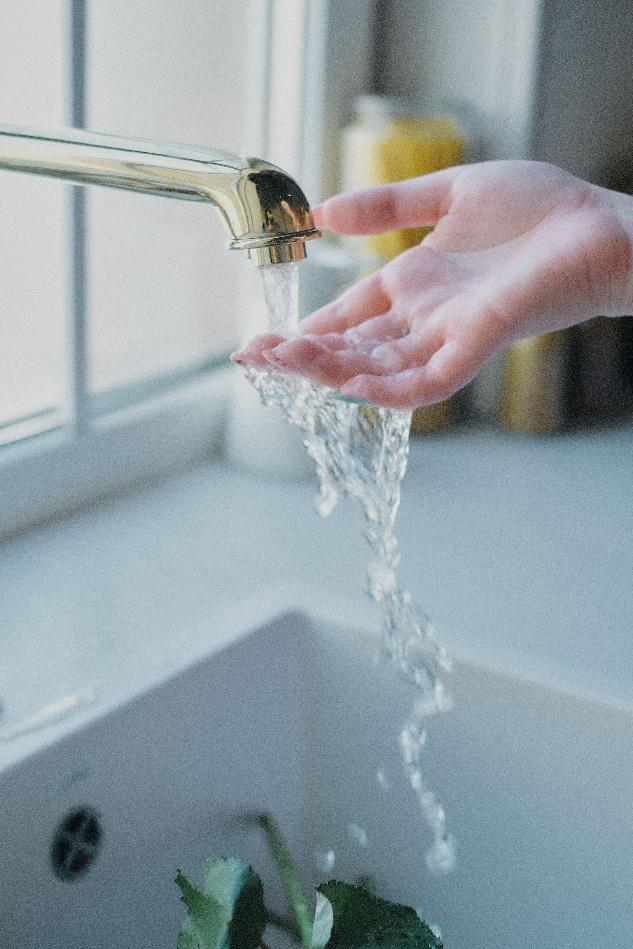
Yes, homeowners should test their water every 12 months, especially with a private well or changes in taste, odor, or color. Annual home water testing can reveal bacteria, minerals, metals, and contaminants before they affect plumbing, appliances, or daily routines. Testing also creates a baseline for tracking changes over time.
What Causes Rust-Colored Hot Water?
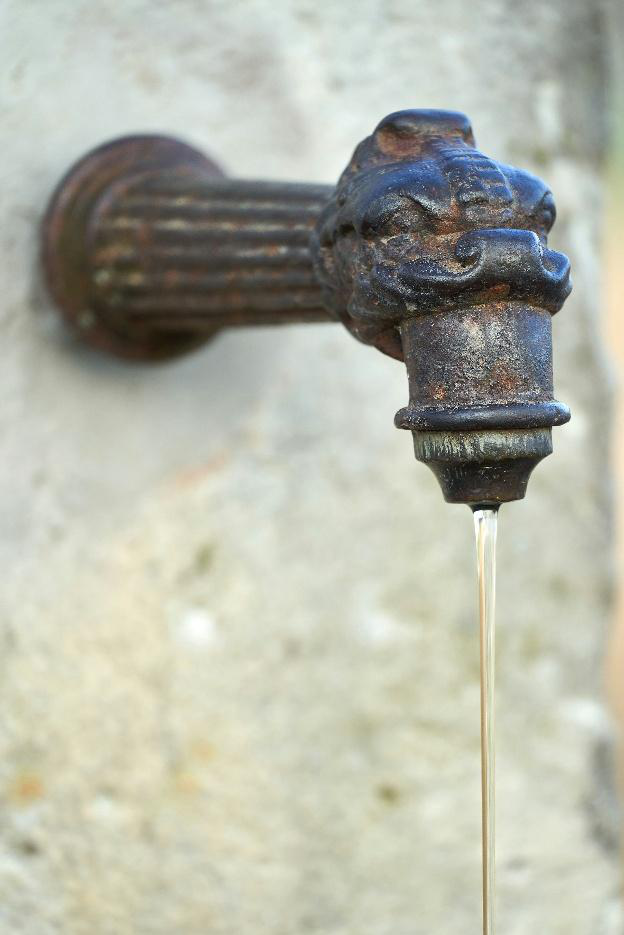
Rust colored hot water usually comes from corrosion inside the water heater, deteriorating pipes, or sediment disturbed within the tank. If discoloration lasts longer than 24–48 hours, appears only from hot taps, or comes with unusual odors, professional inspection is recommended. Prompt attention can prevent leaks, poor water quality, and expensive equipment damage.